Front of house roles are the jobs that face the guest: the host who greets and seats you, the server who takes your order and looks after the table, the runner who carries food from the kitchen, the busser who clears and resets, the bartender who makes drinks, and the manager who keeps the whole room moving. Small places may fold several of these into one or two people, while a large dining room splits them into specialist jobs. Knowing who does what helps you as a diner, and it is the first map you need if you are thinking about working in a restaurant.
Key takeaways
- The front of house is everything the guest sees; the back of house is the kitchen and storage behind it.
- Hosts control the door and seating, servers own the table, and runners and bussers keep food and tables moving.
- Bartenders and managers have extra legal duties around alcohol and food safety.
- Most front of house jobs are learned on the job, and part-time and evening schedules are common.
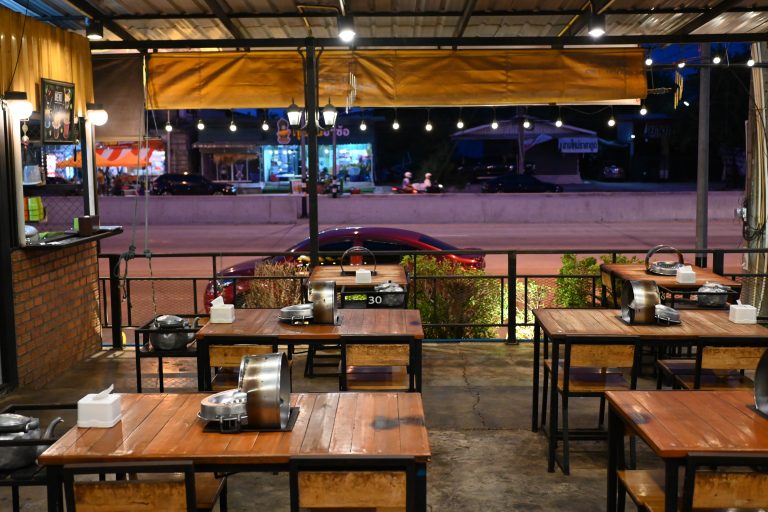
What “front of house” means
Restaurants split their work into two zones. The back of house is the kitchen, dish area and storerooms. The front of house is the entrance, dining room, bar and anywhere else a guest goes. A training text for the industry, Working in the Food Service Industry, lists the typical front of house positions as maître d’ or dining room manager, sommelier, server, busser, host, bartender and expediter or food runner.
Job titles vary between restaurants. One place calls its runner an expediter, another uses “expo” for a kitchen-side role. A casual café might have a counter worker who takes orders, makes coffee and clears tables, covering three of the jobs below at once. What stays constant is the set of tasks that have to happen for every table.
The core front of house roles, one by one
Here is how the main front of house roles divide the work during a typical service.
| Role | Main job during service | Where you see them |
|---|---|---|
| Host | Greets guests, manages reservations and the wait list, seats tables | At the door or host stand |
| Server | Takes orders, relays them to the kitchen, checks on the table, handles payment | At your table |
| Food runner | Carries finished plates from the kitchen to the right seat | Between the kitchen pass and the dining room |
| Busser | Clears and resets tables, refills water, restocks service stations | Moving around the room |
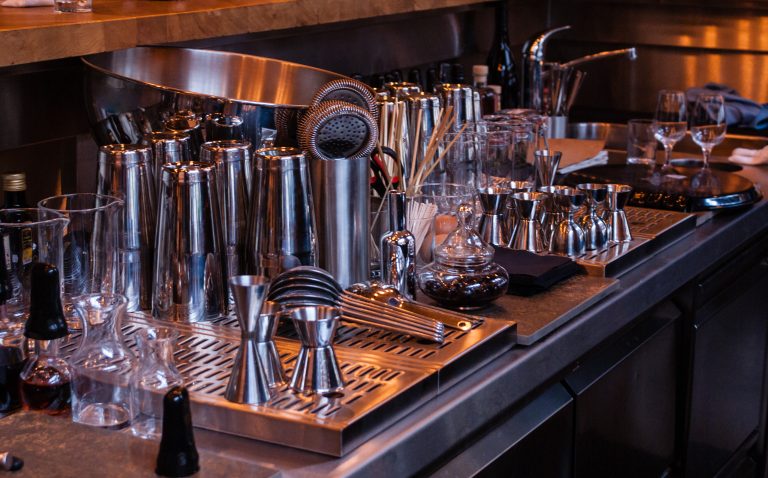
| Bartender | Mixes and pours drinks for the bar and for servers’ tables | Behind the bar |
| Floor manager | Directs the team, solves problems, steps in when it gets busy | Everywhere |
Hosts
The US Bureau of Labor Statistics (BLS) describes hosts as workers who “greet customers, seat guests, and manage reservations and waiting lists,” and notes they may also hand out menus, take to-go orders and help keep the dining area clean. In practice the host is also the room’s traffic controller: deciding which section gets the next table so that no single server is buried.
Servers
The BLS page on waiters and waitresses lists the job as taking food and drink orders, relaying them to the kitchen, delivering meals, checking on customers and handling payment. Servers also set up the dining room before opening, clear plates and in some places prepare simple items such as salads or coffee. Where alcohol is sold they check that guests are old enough to drink.
Runners and bussers
Food runners exist so servers can stay on the floor. When a plate is ready at the kitchen pass, a runner takes it out, often reading a seat number off the ticket so each guest gets the right dish without an auction at the table.
Bussers are what the BLS groups as dining room attendants and bartender helpers. The agency says they help servers and bartenders by “cleaning and setting tables, removing dirty dishes, and stocking serving areas with supplies,” and may also bring meals out, fill water glasses and deliver condiments.

Bartenders
Bartenders mix and serve drinks either directly to guests at the bar or through the servers. According to the BLS, they also check IDs, collect payment, restock and watch for guests who have had too much. Most states require anyone serving alcohol to be at least 18, and many states and localities require a responsible-server course.
Managers and the maître d’
At the top of the front of house sits a floor manager, dining room manager or maître d’. The BLS says food service managers direct staff to keep guests satisfied, schedule shifts, hire and train, and make sure health and food safety standards are followed. During a rush they may help serve, take payments or clear tables themselves.
How the front of house roles work together
A table’s evening passes through several hands. The host seats you in a section. The server greets you, takes the order and sends it to the kitchen. When the food is ready, a runner brings it out while the server handles another table. A busser clears empty plates and later resets the table for the next guests, and the host watches for that reset to seat the next party.
The handoffs are where things go wrong, which is why good teams talk constantly. Servers tell the host when a table is lingering. Runners tell servers when a dish is delayed. Managers keep an eye on every section and move people around when one corner gets slammed.
How people get into front of house work
Most of these jobs do not need formal qualifications. The BLS says servers typically need no formal education or prior experience and learn on the job in a few days to a few weeks. Some states require food safety training, and places that serve alcohol expect staff to know local alcohol laws.
The hours are part of the deal. The BLS notes that part-time work is common and schedules can include early mornings, late evenings, weekends and holidays. Looking ahead, it projects employment of food and beverage serving and related workers to grow 5 percent from 2025 to 2035, faster than the average for all occupations, and servers to grow 2 percent. Many openings come from people moving on to other jobs, which is why restaurants are often hiring.
A common path runs from busser or host to server, then to bartender, trainer or floor manager. Hosting is a good start if you like organizing; bussing teaches you the rhythm of the floor faster than anything else.
Frequently asked questions
Is a food runner the same as a busser?
Not quite. A runner’s main job is carrying finished food from the kitchen to guests. A busser mostly clears, resets and restocks. In smaller restaurants one person often does both, and the BLS notes that bussers may also bring meals out.
Who should I talk to if something is wrong with my meal?
Start with your server, who owns your table and can bring in the kitchen or a manager. If the server is not available, any staff member can find a manager for you.
Do I need experience to get a front of house job?
Usually not for entry-level roles such as host or busser. Employers train on the job. Bartending and serving alcohol may require you to be at least 18 and, in some places, to complete a responsible-server course.
Watch the room on your next meal out
Next time you eat out, notice who greets you, who brings the plates and who clears them. You will start to see the system behind a smooth night, and why a missing busser or a host who seats three tables at once can slow everything down. For more on how the dining room runs, browse our front of house guides.