Most people become a line cook by starting in a lower kitchen job, such as prep cook or dishwasher, learning stations on the job from experienced cooks, and moving onto the line once they can work clean and fast under pressure. You do not need a culinary degree to start. The US Bureau of Labor Statistics says cooks typically learn their skills on the job from an experienced chef, and that no formal education is usually required. Training programs and apprenticeships can speed things up, but the core of the job is learned during real services.
Key takeaways
- A line cook works an assigned station, such as the grill or sauté, cooking dishes to order during service.
- The usual way in is an entry kitchen job, then on-the-job training toward a station.
- Child labor rules mean workers under 16 generally cannot cook in restaurants.
- Culinary programs and apprenticeships are optional routes that can shorten the climb.
What a line cook actually does
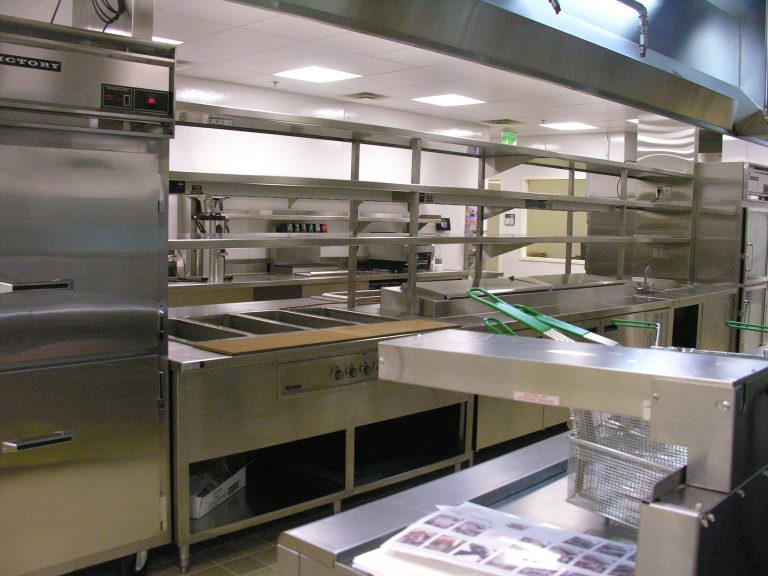
The BLS page on cooks describes line cooks as members of teams in larger restaurants who work “at assigned stations equipped with the stoves, grills, pans, and ingredients” they need. Restaurant cooks in general prepare dishes “usually by individual order,” and some also order supplies and help keep the stockroom in shape.
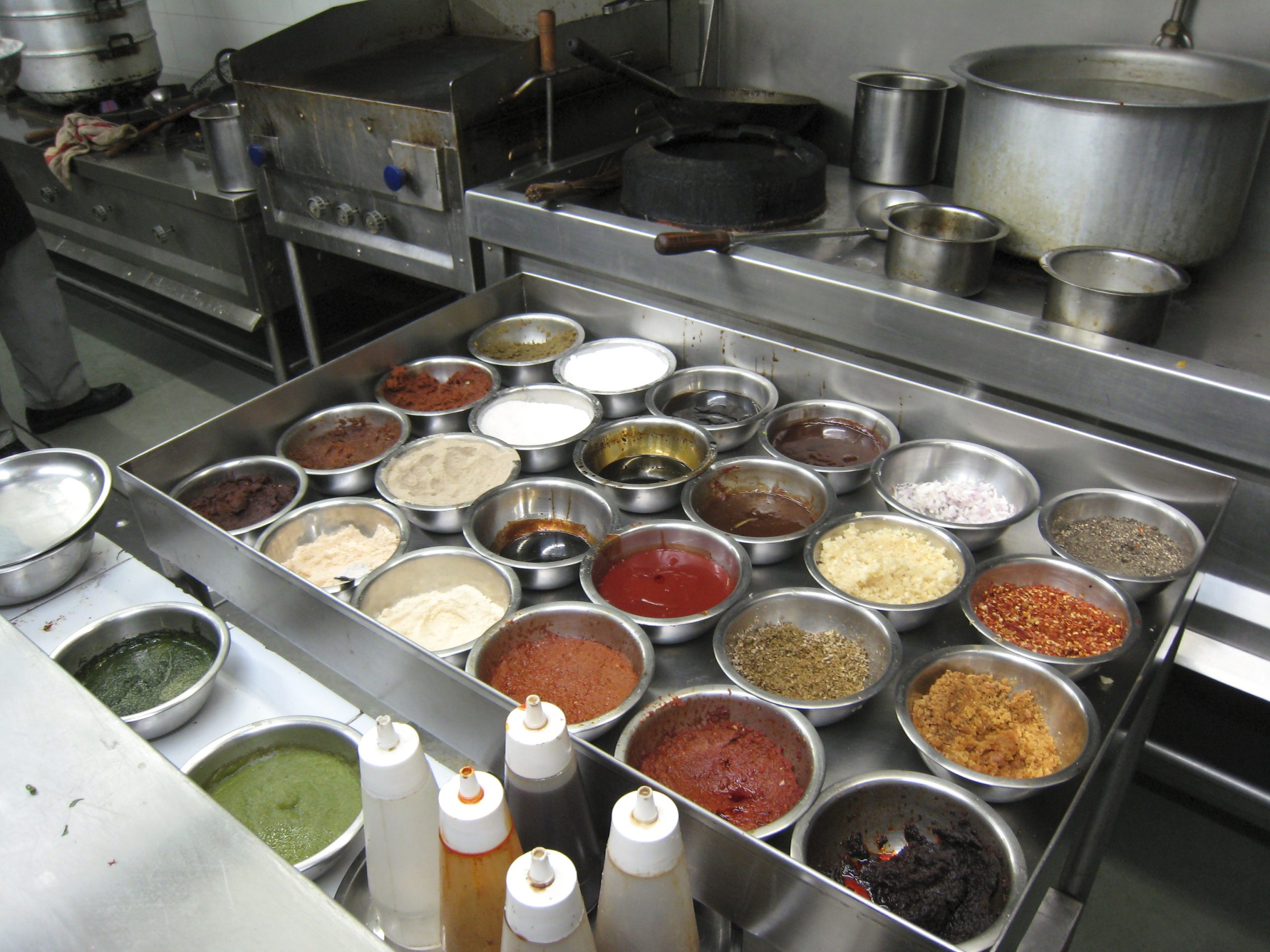
In practice the day has two halves. Before service, you set up your station: prepping vegetables, portioning proteins, making sauces and filling the containers you will reach for all night. During service, tickets come in and you cook, plate and hand dishes to the pass on time. Afterward you break down, clean and note what needs prepping tomorrow.
The BLS is clear about the conditions: cooks “stand for long periods and work under pressure in a fast-paced environment,” and schedules can include early mornings, late evenings, weekends and holidays. If that sounds manageable, here is how the path usually looks.
The walkthrough: from no experience to the line
Say you are 19, have cooked at home for years and want to work the grill at a busy neighborhood restaurant. You have no kitchen experience. This is a realistic route.
Step 1: Take the job that gets you in the door
Apply for prep cook, kitchen assistant or dishwasher roles. Kitchens hire for these regularly, and they put you inside the operation where chefs can see how you work. Dishwashing in particular teaches you the kitchen’s layout, its pace and who does what. If you want a quick orientation to the people you will meet on the other side of the pass, read our guide to front of house roles.
Step 2: Learn prep and knife work properly
Prep is where you build the habits a line needs: consistent cuts, labeled and dated containers, working clean, and finishing your list on time. Ask to shadow the cook whose station you want. Most chefs will teach someone who shows up on time, listens and does not cut corners.
Step 3: Learn kitchen safety before you touch the fryer
The hot line is where the injuries happen. The federal workplace safety agency’s restaurant cooking safety guide says deep fat fryers are “the number one cause of burns” and lists simple rules: do not overfill the fryer basket, never add water or ice to hot oil, never leave hot oil unattended, and use a Class K extinguisher, not water, on a grease fire.
The same guide warns that kitchen temperatures can reach 105 to 110 degrees Fahrenheit, recommends non-slip waterproof shoes and suggests changing position often to avoid strain. It also notes that child labor laws do not permit workers younger than 16 to cook, apart from limited exceptions such as snack bars and cafeteria serving counters, and that state rules may be stricter.

Step 4: Get your first station
Kitchens usually start new line cooks on a simpler station, often the cold side or a fry station, before the grill or sauté. You will learn the menu, how tickets are called, and how your station’s timing fits with the others so every plate for a table lands together. Expect a few rough nights. Speed comes from repetition and a well-set station.
Step 5: Decide whether to add formal training
At this point some cooks look at extra training. The BLS lists three options:
| Route | What it involves | Typical length (per BLS) |
|---|---|---|
| On-the-job training | Learning from an experienced chef while working | Ongoing |
| Apprenticeship | Paid work plus instruction, sponsored by culinary institutes, industry associations or trade unions; usually requires age 17 and a high school diploma or equivalent | About 1 year |
| Vocational or culinary program | Classes in techniques and cuisines, often with a kitchen internship | A few months to 2 years |
None of these is required to work a line. They can help if you want structured learning or plan to move toward a chef role.
How line cooks move up
Advancement depends, in the BLS’s words, on “training, work experience, and the ability to prepare complex dishes.” Line cooks can move to head cook, chef or food service manager. The agency’s page on chefs and head cooks says many chefs start as line cooks and spend years in kitchens before promotion, with five or more years of related experience typical.
Demand is steady. The BLS projects employment of cooks to grow 7 percent from 2025 to 2035, much faster than average, with most openings coming from people who leave the occupation.
Frequently asked questions
Do I need culinary school to become a line cook?
No. The BLS says cooks typically learn on the job and that no formal education is usually required, although some employers prefer a high school diploma. Culinary programs and apprenticeships are optional routes.
How old do you have to be to cook in a restaurant?
Under federal child labor rules, workers younger than 16 generally may not cook, with a few exceptions such as snack bars and cafeteria counters. State laws can set stricter limits, so check your state’s rules.
What is the hardest part of being a line cook?
For most new cooks it is the pace: keeping several dishes going at once while staying clean and safe. Physical strain matters too, since the job means long hours standing in a hot kitchen.
Your first move this week
Pick three kitchens you would like to learn from and ask about prep or dish shifts. Show up on time, keep your station clean and ask questions between rushes. Most line cook careers start exactly this way. For more on kitchen jobs and how people build them, see our restaurant careers guides.