Dinner service is the stretch of the evening when a restaurant’s dining room and kitchen work as one system, from the moment the doors open to the moment the last table is cleared and reset. From a guest’s seat it looks like a series of small moments: a greeting, a menu, plates arriving. Behind those moments sits a fixed sequence that most full-service restaurants follow, whatever their style. Here is a walkthrough of a typical night on the floor, told from the point of view of a server working a Friday evening shift in a mid-sized, full-service restaurant. The scenario is illustrative, not a real place.
Key takeaways
- A dinner service runs in phases: setup, pre-shift, opening, the rush, the slowdown and the close.
- Hosts control the pace of the room by managing reservations, walk-ins and seating.
- Servers are the link between each table and the kitchen, and timing matters as much as accuracy.
- Bussers and runners keep tables turning and food moving while servers stay with guests.
Step 1: Setup and the pre-shift meeting before dinner service
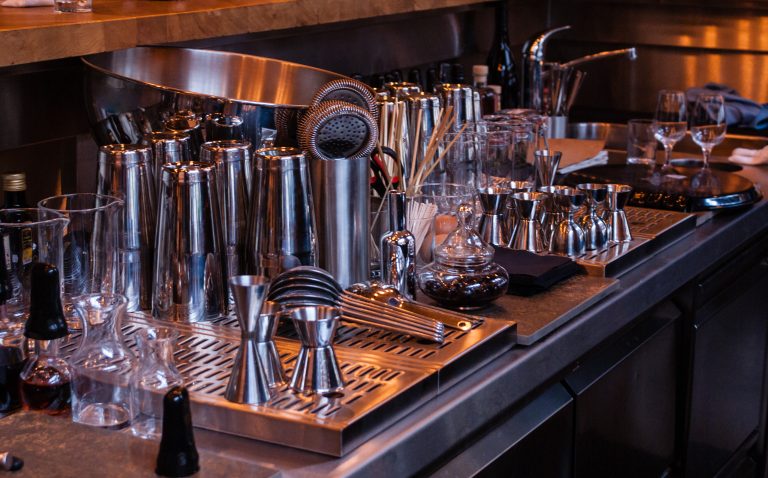
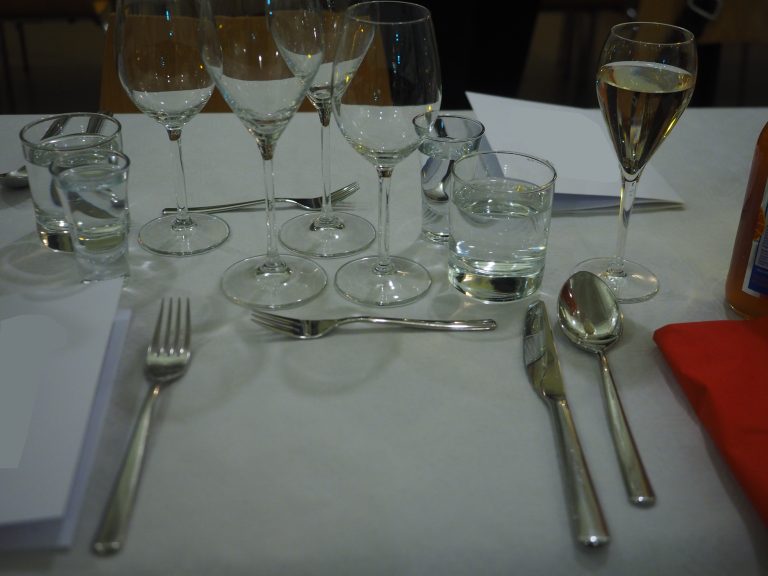
Say your shift starts in the late afternoon. Before any guest arrives, the dining room has to be ready. Tables are set, glassware and cutlery are polished, side stations are stocked with napkins, condiments and water pitchers, and the point-of-sale terminals are switched on.
The Bureau of Labor Statistics describes dining room attendants, often called bus staff, as the people who clean and set tables, remove dirty dishes and stock serving areas with supplies. During setup, the whole team often pitches in. Many restaurants also feed the team around this time; our explainer on staff meal traditions covers how that works.
Next comes a short meeting, usually led by a manager or chef, sets up the night. You hear how many reservations are on the book, which large parties are coming, any items the kitchen has run out of, and the specials. A cook may describe each special so servers can explain it accurately.
This is also when sections are assigned. Each server gets a group of tables, and a host plans how to spread arrivals so no section gets slammed at once.
Step 2: Doors open and the host sets the pace
The first guests arrive. According to the BLS profile of food and beverage serving and related workers, hosts greet customers, seat guests and manage reservations and waiting lists. In practice, the host is controlling the pace of the entire service. Seat six tables in one section within a few minutes and that server, and the kitchen behind them, falls behind. Staggering seatings keeps everyone in rhythm.
If the roles in this walkthrough are new to you, our guide to front of house roles explains each job in more detail.
Step 3: Greeting the table and taking the order
At your first table, you introduce yourself, bring water and offer drinks. The BLS profile of waiters and waitresses lists core duties that match this moment: greeting customers, explaining daily specials, answering menu questions and taking food and beverage orders.
Questions about ingredients are part of the job. The FDA recognizes nine major food allergens: milk, eggs, fish, crustacean shellfish, tree nuts, peanuts, wheat, soybeans and sesame. When a guest mentions an allergy, the safe habit is to note it clearly on the order and confirm with the kitchen rather than answering from memory.
Once the order is in the system, it prints or appears on a screen in the kitchen. The stations described in our piece on the kitchen brigade system start working on their part of it.

Step 4: Timing courses through the rush
Most of a server’s skill lies in timing. Starters go out, and when a table is nearly finished, you let the kitchen know the main course can be fired. Fire too early and the mains wait under heat lamps; too late and the table sits staring at empty plates.
A food runner or busser often carries plates from the pass to the table so the server can stay with guests. The BLS notes that bus staff support servers and bartenders by bringing meal items from the kitchen, distributing dishes to diners, filling water glasses and delivering condiments.
Somewhere in the middle of the evening, most of the room is seated at once. This is the rush. The BLS notes that during busy dining periods servers may be under pressure to serve customers quickly and efficiently, and that they stand most of their shift and often carry heavy trays.
Here is how the phases of a typical night usually compare:
| Phase | Floor priorities | Kitchen priorities |
|---|---|---|
| Setup | Set tables, stock stations, check the reservation book | Finish prep and set up stations |
| Pre-shift | Learn specials, sections and large parties | Brief the floor on specials and shortages |
| Opening | Greet and seat steadily | Cook first tickets cleanly |
| Rush | Keep tables paced, communicate delays | Manage the ticket rail, keep plates moving |
| Slowdown | Offer dessert, present checks | Break down stations, start cleaning |
| Close | Reset the room for the next service | Store food, clean, record what ran low |
Step 5: Checks, the slowdown and closing
As the rush eases, tables move on to dessert and coffee. You prepare each check, take payment and thank guests, duties the BLS lists for servers. Bussers clear and reset tables, sometimes for a second seating.
When the last guests leave, closing begins: side stations are restocked for tomorrow, linens are counted, floors are cleaned and the manager closes out the sales for the night. Many teams finish with a quick conversation about what went well and what did not.
Frequently asked questions
How long does a dinner service last?
It depends on the restaurant’s hours. The service itself usually covers the evening opening hours, but staff arrive before doors open for setup and stay after closing to reset, so a shift is longer than the time guests are in the room.
Why does the server ask if you are ready for your main course?
Because the kitchen needs to know when to start cooking it. Checking in lets the server tell the kitchen when to fire the next course so it arrives hot, without a long gap or a rushed table.
Who decides where you sit?
The host, usually working from a seating plan and the reservation book. Seating is designed to spread guests across servers’ sections and keep the kitchen’s workload steady.
Seeing service with new eyes
Next time you eat out, watch the room for a few minutes: the host pacing arrivals, the runner moving between the pass and the floor, the server checking in just before your plates are cleared. Each move is part of the sequence above. For more on how dining rooms are run, browse our Front of House guides.