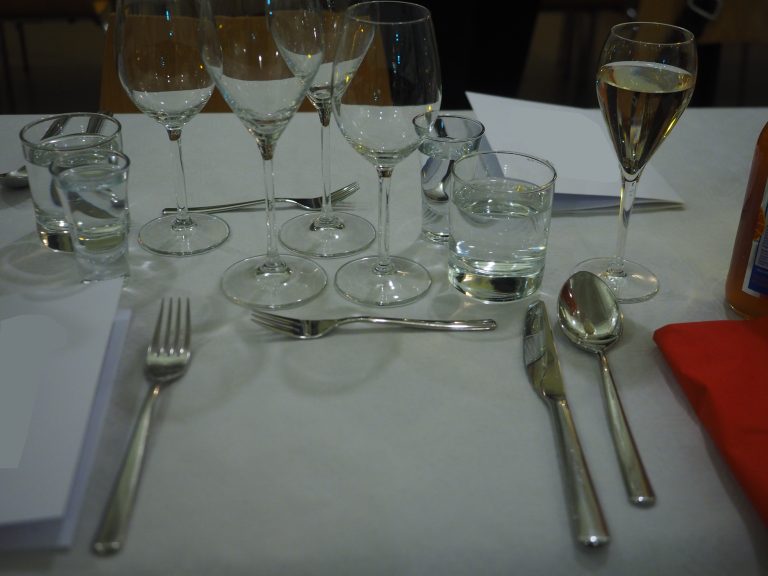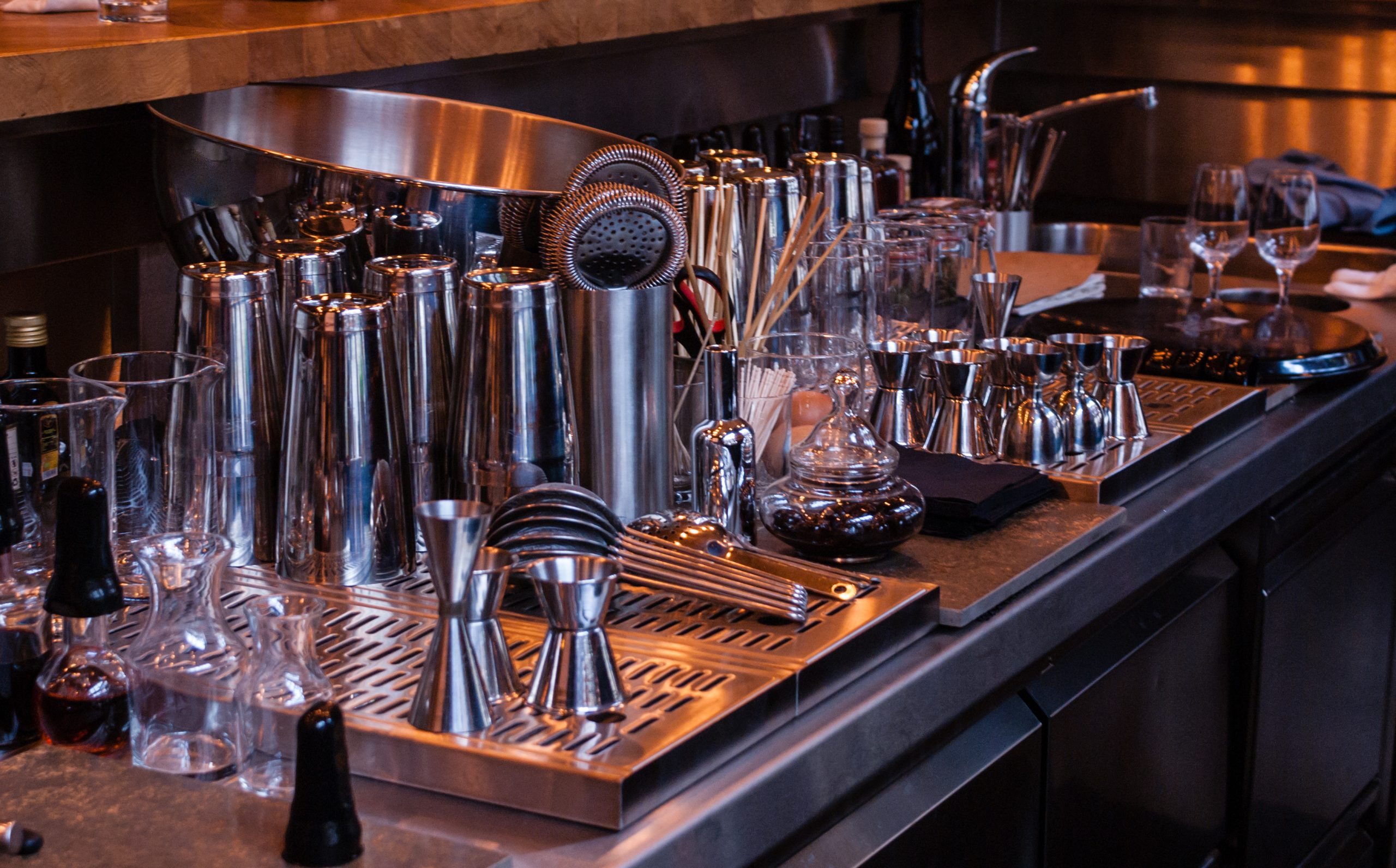
The three main beverage roles in a restaurant split the drinks list by type and by how guests are served. A sommelier specializes in wine, advising guests at the table and helping manage what the restaurant buys and stores. A bartender mixes and pours drinks from the bar, serving guests directly or through servers, and carries much of the responsibility for serving alcohol safely. A barista prepares coffee, espresso drinks and tea, usually at a counter. Smaller places often fold all three jobs into the bar or the servers.
Key takeaways
- Sommeliers focus on wine selection, service and storage, mostly at the table.
- Bartenders mix and serve drinks, check ID and watch for over-serving.
- Baristas prepare coffee, espresso drinks and tea, and often take orders and payments.
- Bartender and barista skills are usually learned on the job.
- Anyone serving alcohol may need a responsible-server course, depending on the state.
How the beverage roles divide the work
A restaurant’s drinks program has three jobs to do: choose and look after the stock, prepare drinks to order, and help guests pick something they will enjoy. In a large restaurant, each beverage type may have its own specialist. In a neighborhood bistro, one bartender may handle the whole list and servers recommend wines from a short card. Our explainer on front of house roles shows where these jobs sit alongside hosts, servers and runners.
| Sommelier | Bartender | Barista | |
|---|---|---|---|
| Main focus | Wine and, in some places, other drinks paired with food | Cocktails, beer, wine and spirits | Coffee, espresso drinks and tea |
| Where they work | Dining room, cellar or wine storage | Behind the bar | Behind a coffee counter or service station |
| Guest contact | Advises at the table, presents and pours bottles | Serves bar guests directly and fills orders for servers | Takes orders and hands drinks across the counter |
| Behind-the-scenes duties | Helps estimate what to buy and keeps stock in good order | Restocks, prepares garnishes, cleans glassware and tools | Cleans and maintains equipment and work areas |
| Alcohol responsibility | Yes, when serving wine | Yes, including ID checks and refusing service | Usually none, unless the café also serves alcohol |
| Typical training | Experience in service plus wine study | On-the-job training lasting a few weeks | On-the-job training from a few days to a year |
The sommelier: wine at the table
A sommelier is a wine specialist on the floor. Federal job data does not track sommeliers as a separate occupation. Searching the term in the US Department of Labor’s O*NET database returns food service managers, bartenders, waiters and waitresses, and baristas, which shows how the work is split in practice.
The O*NET profile for waiters and waitresses includes the tasks closest to a sommelier’s table work: describing and recommending wines, bringing wine selections to tables with appropriate glasses, pouring wines for customers and chilling bottles. The food service manager profile adds estimating wine and other beverage consumption to plan purchasing, which is the cellar side of the job.
In restaurants with a large list, the sommelier ties both sides together: they know what is in stock, suggest bottles that suit the food and the guest’s budget, and make sure each wine is served at the right temperature in the right glass.
The bartender: mixing, pouring and safe service
Bartenders run the bar as a station. The US Bureau of Labor Statistics profile of bartenders says they mix drinks and serve them directly to customers or through wait staff, check identification, collect payment, restock supplies and monitor customers for intoxication.
Formal education is not usually required. Bartenders typically receive on-the-job training that lasts a few weeks, and some take courses at bartending schools or community colleges. Most states require workers who serve alcohol to be at least 18, and many states and localities require a responsible-server course covering alcohol laws and safe serving.
California is one example of how these rules work. Its alcohol regulator requires on-premises servers and managers to be certified in Responsible Beverage Service within 60 days of starting work, and the certification lasts three years. Rules differ from state to state, so check with your own state’s alcohol agency.
The BLS projects bartender employment to grow 5 percent from 2025 to 2035, faster than the average for all occupations. Evening, weekend and holiday work is normal.

The barista: coffee and espresso service
Baristas prepare and serve hot and cold drinks such as coffee, espresso drinks, blended coffees and teas. The O*NET summary for baristas also lists cleaning and sanitizing work areas and equipment, taking orders and processing payments.
O*NET places the job in its lowest preparation zones: a high school diploma or less, with on-the-job training ranging from a few days to a year. In a full-service restaurant, the barista may work at a station near the pass, sending coffee out with desserts during the end of dinner service. In a café, the barista is often the main point of contact for every guest.
Which beverage role suits you
Each job rewards a different kind of person. Use the comparison below as a quick self-check.
| If you enjoy… | Consider |
|---|---|
| Studying regions, grapes and food pairing, and talking guests through choices | Sommelier |
| Speed, multitasking and being the center of the room | Bartender |
| Precise, repeatable technique and a steady stream of quick orders | Barista |
| Learning all three before specializing | Server or bar back in a full-service restaurant |
Many people move between these beverage roles. Servers learn wine basics during server training, baristas pick up bar skills, and bartenders often study wine to move into a specialist position.
Frequently asked questions
Do you need a certificate to become a sommelier?
There is no single legal requirement for the title in the US. Restaurants generally look for service experience and solid wine knowledge, and many sommeliers study through wine education programs. If the job involves serving alcohol, state or local responsible-server rules still apply.
Can a bartender work without a responsible-server course?
That depends on the state and city. Many require one, and some, such as California, set deadlines for certification after you start work. Your employer or the state alcohol agency can tell you what applies.
Is a barista job a good first hospitality job?
It can be. O*NET places baristas in its lowest preparation zones, and the work teaches order taking, speed, cleanliness and guest service, all of which carry over to other front-of-house roles.
Pick a drink and start learning
If one of these beverage roles appeals to you, start where the training is: ask to shadow the bar or coffee station during a quiet shift, and learn the drinks list you already serve. More explainers on dining room jobs and service are in our Front of House section.