A walk-in cooler is the refrigerated room at the back of most restaurant kitchens, and the rules for using it are simpler than they look. Keep everything at 41°F (5°C) or below, store ready-to-eat food on the top shelves and raw poultry on the bottom, keep food at least six inches off the floor, cover and date anything made in house, and throw it out after seven days. Add a thermometer you actually read and a door release that works from the inside, and you have the core of what health departments expect.
Key takeaways
- Cold food belongs at 41°F (5°C) or below, checked with a thermometer placed in the warmest part of the unit.
- Shelf order follows cooking temperature: ready-to-eat food at the top, raw poultry at the bottom.
- Food sits at least six inches off the floor, covered, labeled and dated.
- House-made ready-to-eat food that needs refrigeration is usually kept no more than seven days.
- The inside door release is a safety device, so test it as often as you test the temperature.
Why the walk-in cooler gets so much attention
Almost every ingredient in a restaurant passes through cold storage at some point: the morning delivery, the sauces made during prep, the leftovers from last night’s braise. Because so much food shares one space, a single mistake, like a dripping tray of raw chicken on a high shelf, can spread to everything below it. That is why inspectors spend time in the walk-in, and why the checklist below shows up in some form on most inspection forms. For the wider picture of an inspection, see our checklist of what health inspectors look for.
Checklist: temperature and thermometers
- Hold cold food at 41°F (5°C) or below. The Southern Nevada Health District’s proper food storage guide states this limit plainly.
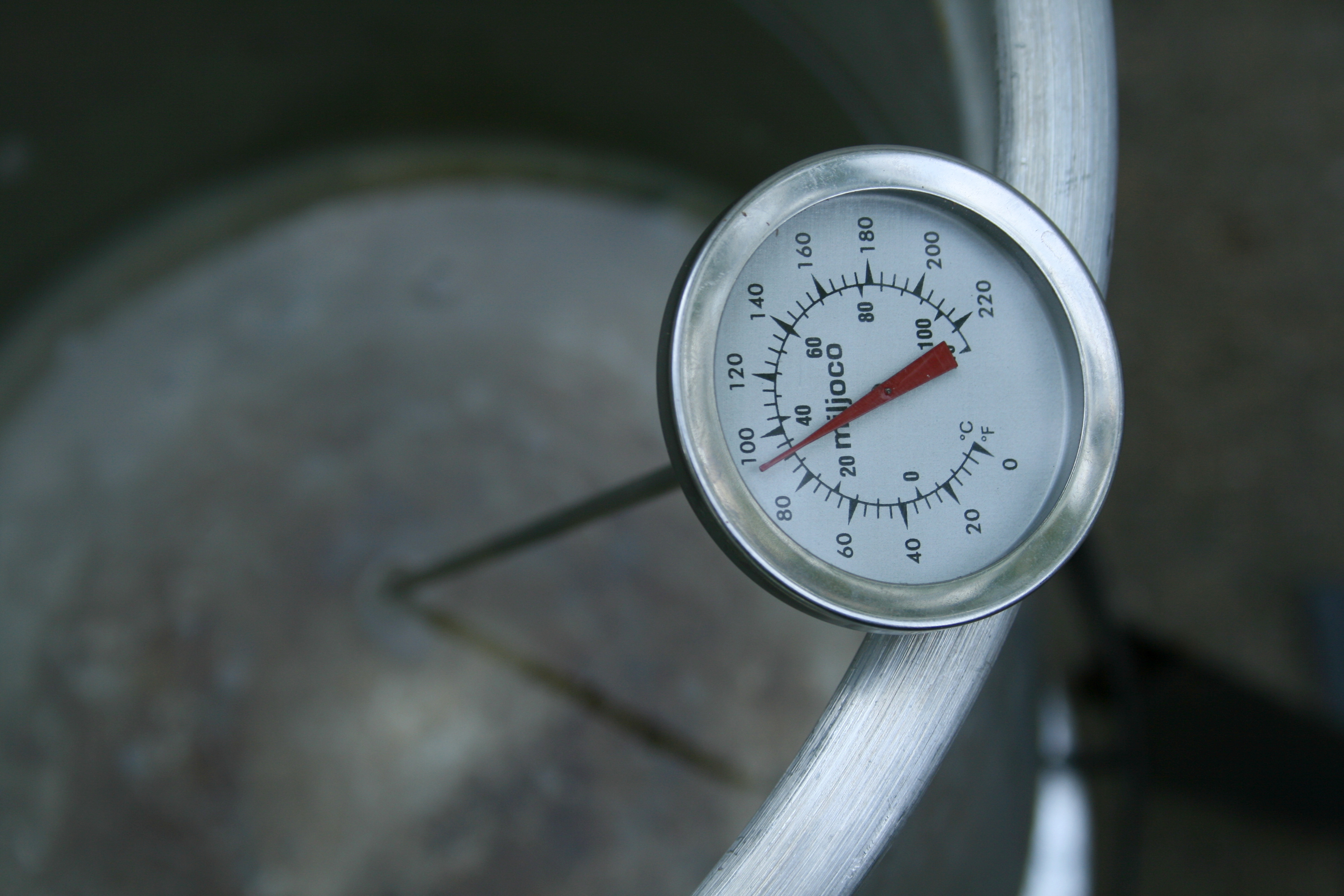
- Place a thermometer in the warmest part of the unit, as the same guide advises, rather than wherever is convenient.
- Read it at set times during the day and write the reading down if your kitchen keeps a log.
- Probe the food itself now and then, especially after a long delivery with the door open.
- Keep the door closed between trips. Plan what you need before you walk in, which is the same habit that drives mise en place in a professional kitchen.
Checklist: the right shelf for every food
The shelf order is the rule cooks memorize first. The logic is simple: anything that drips should only drip onto food that will be cooked to a higher temperature anyway. Hawaii’s Department of Health sets this out in its refrigerator cold storage chart, which ranks raw foods by the cooking temperature they need.
| Shelf position | What goes there | Cooked to |
|---|---|---|
| Top | Cooked and ready-to-eat food, plus food that is still cooling | Not cooked again |
| Upper middle | Washed, prepared fruit and vegetables, then unwashed produce | Usually not cooked |
| Middle | Raw seafood, whole cuts of beef, pork and lamb, shell eggs | 145°F (63°C) |
| Lower middle | Raw ground meat and ground fish | 155°F (68°C) |
| Bottom | Raw poultry and stuffed foods | 165°F (74°C) |
The produce rows come from the Southern Nevada guide, which places cleaned produce above unwashed produce and both above raw animal foods. Use this as a checklist when you restock:
- Ready-to-eat food stored above all raw meat, poultry, eggs and seafood.
- Raw poultry on the lowest shelf, never above anything else.
- Raw foods kept apart from each other, or stacked by cooking temperature.
- Trays or containers under raw meat to catch drips.
Checklist: covering, labels and dates
- Cover or wrap open food before it goes on a shelf. Food that is still cooling down is the usual exception, so heat can escape.
- Label every container made in house with what it is and the date it was made or opened.
- Use the oldest product first. Put new deliveries behind or below what is already there.
- Know your discard date. Colorado guidance shared by Larimer County’s date marking handout says ready-to-eat food that needs refrigeration and is kept longer than 24 hours must be date marked and used within seven days at 41°F or below.
- Count the day it was made or opened as day 1.
- When you mix ingredients, the oldest one sets the date for the whole dish.
- Remember that freezing pauses the clock. Time spent frozen does not count toward the seven days under that guidance.
- Check the rules where you work. Some commercially packaged foods, such as many hard cheeses and cultured dairy products, are exempt under the same handout.
Checklist: the floor, the walls and the room itself
- Store all food at least six inches (15 cm) off the floor on shelving or dunnage racks. Both health department sources above say this for walk-ins.
- Keep cardboard to a minimum, since boxes soak up drips.
- Leave space between products so cold air can move around them.
- Sweep and mop the floor on a schedule, and keep shelves free of spills.
- Never store cleaning chemicals in the cooler with food.
- Report ice build-up, a door that does not seal or a fan that sounds wrong before they turn into a warm cooler on a Saturday night.
Checklist: getting out safely
This part is about the people, not the food. A walk-in is a closed room, and the door can swing shut behind you. WorkSafeNB, the workplace safety agency in New Brunswick, Canada, issued a hazard alert about a worker trapped in a walk-in freezer after water froze around the inside push-knob release and it would not move. The worker was alone and was not found for hours. The alert’s advice translates directly to coolers and freezers:
- Press the inside release handle during routine checks so ice or grime cannot seize it.
- Show every new hire where the release is and how to free it if it sticks.
- Set a rule for lone workers, such as telling someone before going into the freezer late at night.
- Keep an alarm or a way to call for help working from inside.
Frequently asked questions
Is a walk-in cooler colder than a home fridge?
Not necessarily. The commercial target is 41°F (5°C) or below. The difference is size and traffic: a walk-in is opened constantly during service, so it has to recover quickly, and staff check it more often than most people check a fridge at home.
Why does raw chicken always go on the bottom shelf?
Because it needs the highest cooking temperature, 165°F (74°C). If chicken juice drips onto beef or salad below, those foods may not be cooked hot enough to make them safe. Putting poultry at the bottom means any drip lands on the floor or a tray instead.
What happens to food past its seven-day date?
It is thrown out. That is the point of the label: anyone can open the cooler, read the date and decide without guessing. If you keep throwing the same item away, that is a sign to prep smaller batches of it.
Use the checklist on your next restock
The walk-in cooler runs on habits more than equipment. Read the thermometer, shelve by cooking temperature, date everything and test the door release. If you are new to a kitchen, ask to be walked through the cooler on your first shift; it tells you a lot about how the rest of the place is run. For more on how professional kitchens are organized behind the swinging doors, browse our In the Kitchen guides.