At a restaurant host stand, seating decisions are a balancing act between the guests at the door and the people working the floor. The host matches each party to a table that fits its size and needs, spreads arrivals across the servers’ sections so no one is swamped, protects tables held for reservations, and quotes honest waits when the room is full. Some limits are fixed by law, such as the room’s posted occupant load and the share of accessible seating. The easiest way to see how those choices fit together is to stand behind the podium for one busy evening, so this walkthrough follows a made-up Saturday from setup to the last seating.
Key takeaways
- Hosts weigh party size, server workload, reservations and kitchen pace every time they seat a table.
- Sections are usually rotated so each server gets a steady flow of tables rather than several at once.
- Under the ADA standards, at least 5 percent of seating at dining surfaces must be accessible and spread through the room.
- A good wait quote is based on what tables are doing now, not a guess, and it is updated if things change.
Before the doors open: reading the floor
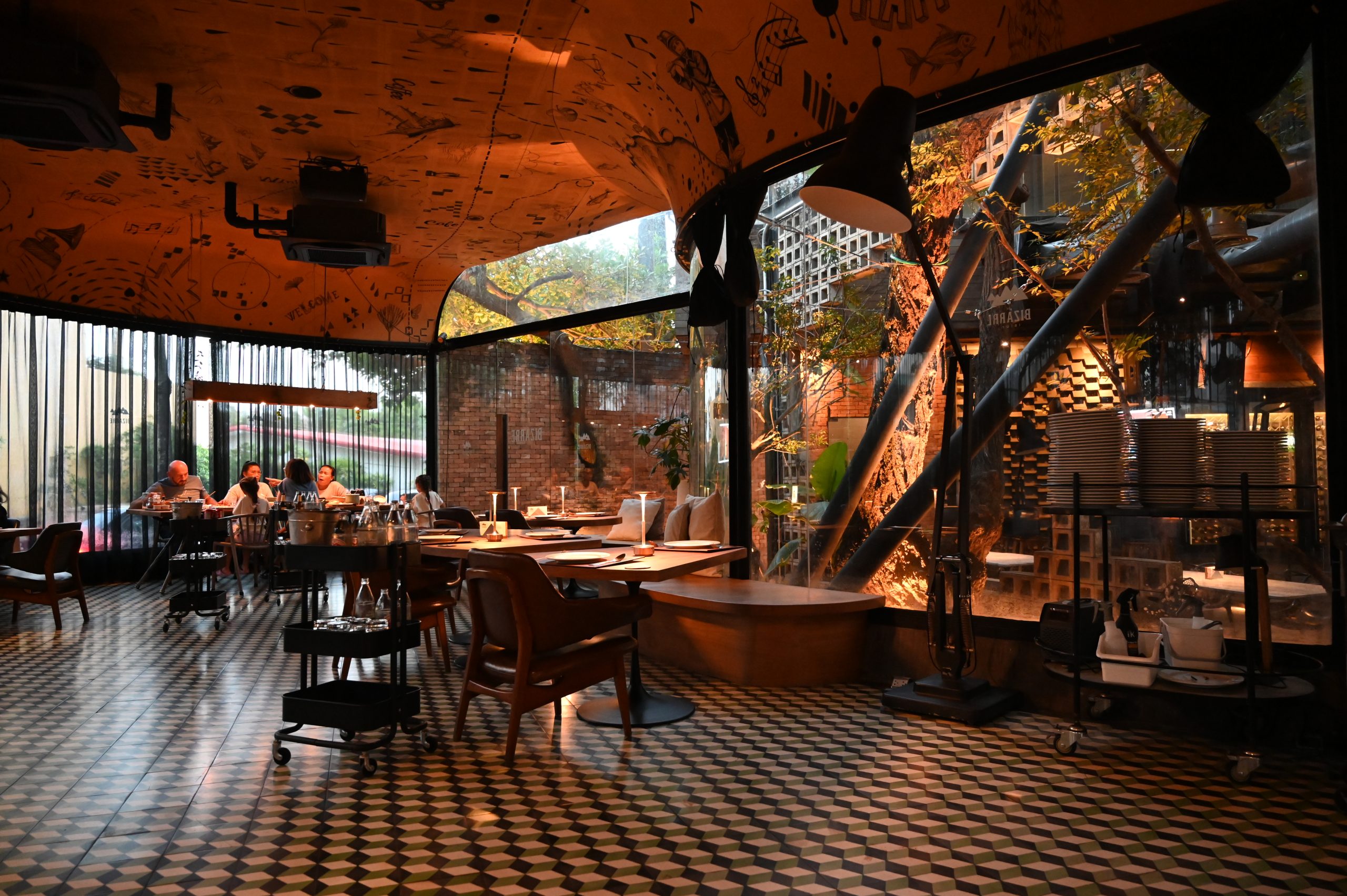
Say the dining room has a mix of two-tops, four-tops and a couple of larger round tables, plus a covered patio. Before service the host checks the floor plan, notes which servers are working which sections, and reads the reservation list to see where the evening will be tight.
The US Bureau of Labor Statistics lists the core duties of hosts and hostesses as greeting customers, seating guests, managing reservations and waiting lists, providing menus, taking and preparing to-go orders, and helping keep the dining area clean. It counted about 444,200 host jobs in 2025. Our guide to front-of-house roles shows how the host fits alongside servers, runners and bussers.
One more pre-service check concerns capacity. In many places, assembly spaces such as restaurants must post an occupant load sign. Fairfax County, Virginia, for example, explains that its occupant load signs are required where an assembly space holds 50 or more people, and must be posted in a conspicuous place near the main exit, not behind the bar or in an office. That number is a ceiling the host works under all night, however long the line gets.
6:30 pm: matching parties to tables at the restaurant host stand
The first wave arrives. A couple with a reservation gets a two-top. A walk-in party of four takes a four-top. Then a party of three walks in, and the choice gets harder: seat them at a four-top and lose one chair for the evening, or ask them to wait for a smaller table that may not exist.
Hosts make that call by thinking a little ahead. If the reservation book shows several parties of four due in the next half hour, giving away a four-top to three people now could cause a longer wait later. If the book is light, the four-top goes to the three without fuss. The same logic applies to pushing two-tops together for a group of five or six. It works, but it takes two tables out of rotation until that party leaves. How long those tables stay occupied is a big part of why table turnover is often misunderstood.
6:45 pm: rotating the sections
Each server has a section of tables. If the host seats three tables in one section within a few minutes, that server falls behind on greetings, drink orders and kitchen tickets, while a colleague stands idle. So hosts commonly rotate, seating the next party in the next section in turn and keeping a simple chart of who has been sat most recently and with how many guests.
Rotation bends for real needs. A guest may ask for a booth, a quiet corner or a seat away from the door. A server may be stuck with a large table that needs extra attention. A good host notices both and adjusts, then catches up the rotation at the next opportunity.
7:00 pm: a guest who needs an accessible table
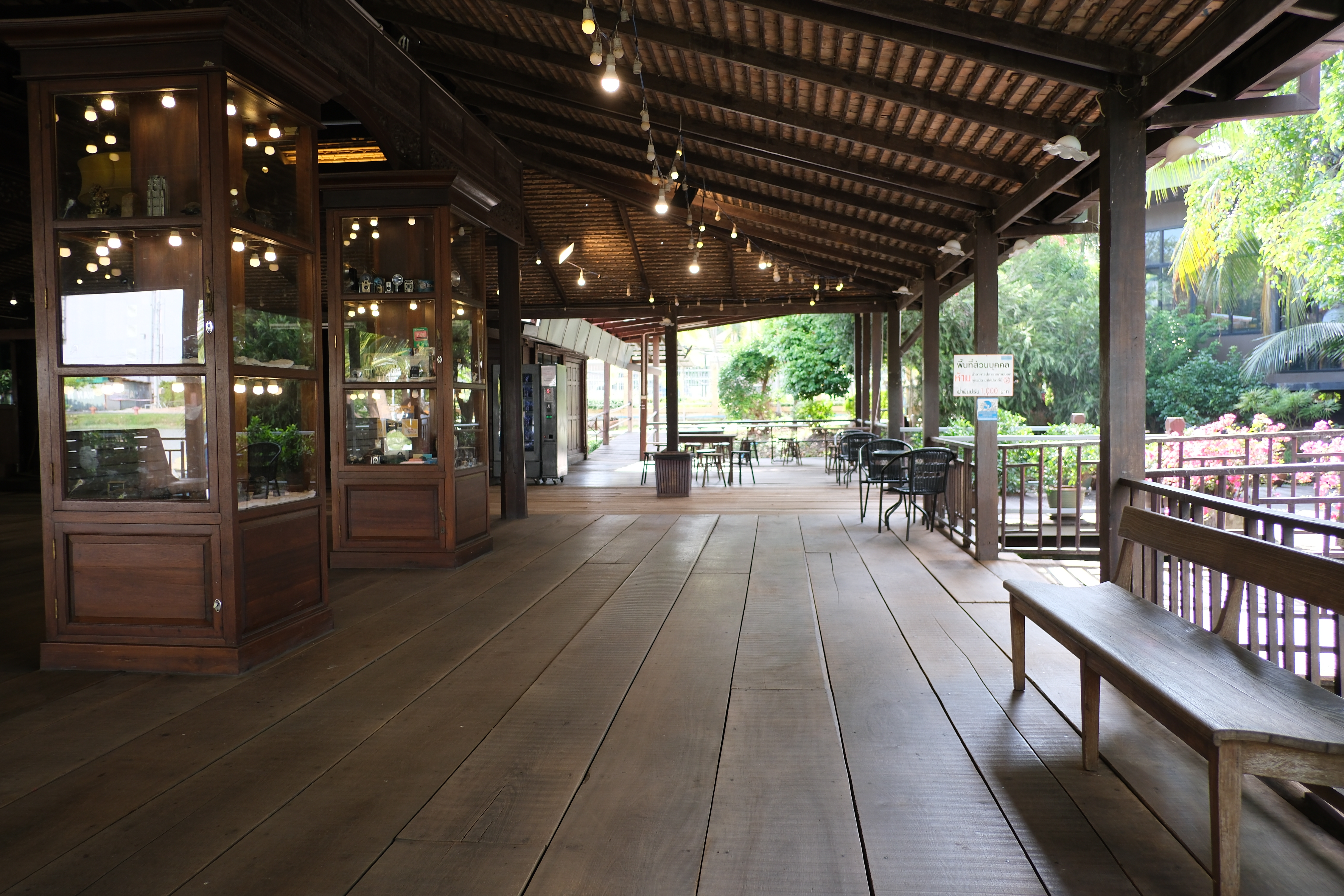
A party arrives with one guest who uses a wheelchair. The host’s job is to offer a table that works, not simply the nearest one with a movable chair. The 2010 ADA Standards for Accessible Design require that where dining surfaces are provided, at least 5 percent of the seating spaces and standing spaces at them comply with the accessible design rules. Those accessible surfaces must be dispersed throughout the space, and their tops must be between 28 and 34 inches (about 71 to 86 cm) above the floor.
Dispersal matters at the stand. It means an accessible table should exist in the main room and in other seating areas, not only at the back by the kitchen door, so the host can offer a real choice of where to sit.
7:30 pm: the wait list and honest quotes
By now every table is full and a short line has formed. A host builds a wait quote by looking at the room rather than guessing: which tables have their checks, which are on dessert, and which just received their mains. A table on coffee will probably turn sooner than one that has just been served.
| Signal on the floor | What it usually tells the host |
|---|---|
| Check dropped or paid | The table may be free soon |
| Desserts or coffee served | A turn is likely before long |
| Mains just arrived | The table is probably still some time away |
| Large party just sat | Those tables are out of rotation for a while |
| Kitchen running behind | Seating more tables now may slow every order |
The last row matters. Seating a rush of parties at once can bury the kitchen in new tickets, so some hosts pace arrivals even when tables are open.
8:00 pm: the reservation that does not show
A table for six is held for a booking that is now 15 minutes late. The host must decide when to release it to the wait list. Many restaurants set a grace period in their booking policy and may call or message the guest before giving the table away. How those policies are designed, and why they exist, is covered in our guide to restaurant no-shows.
Frequently asked questions
Why was I not seated at an empty table I could see?
It may be held for a reservation, be in a section whose server is already busy, or be waiting to be cleaned and reset. Hosts also sometimes pace seating so the kitchen is not flooded with orders all at once.
Can I ask for a different table?
Yes. Hosts usually try to help if the table you want suits your party size and is not promised to someone else. Asking politely at the stand, rather than moving yourself, lets the host keep the rotation and reservations straight.
How do I request an accessible table?
Mention it when you book or as soon as you arrive. Under the ADA design standards, accessible seating should be spread through the dining areas, so you should be offered a choice of location rather than a single fixed spot.
What to watch the next time you wait at the door
Notice how the host glances across the room before quoting a time, checks a seating chart, and steers each party to a particular section. Those small moves keep servers balanced, the kitchen steady and the reservation book honest. For more on how the dining room runs, browse our front-of-house guides.