Expediting is the job of controlling the flow of food between the kitchen and the dining room. The expediter, often called expo, stands at the pass, the counter where finished plates are set down, and does three things: tells each station what to cook and when, checks every plate against the ticket before it leaves, and hands it to the right server or runner for the right seat. The easiest way to understand the role is to follow one ticket from start to finish, so that is what this walkthrough does, using a made-up table of four on a busy evening.
Key takeaways
- The expediter coordinates timing so every plate for a table is ready at the same moment.
- Each plate is checked against the ticket for the right dish, changes, allergy notes and presentation.
- Expo is the single point of contact between servers and cooks during service.
- A dish sent back is remade, not tidied up and sent out again.
Step 1: The order reaches expediting
Say a table of four sits down on a Friday. Their server takes the order and enters it, and a ticket prints in the kitchen or appears on a screen. The US Bureau of Labor Statistics describes servers as the people who take orders, relay them to the kitchen and deliver meals, and it stresses that teamwork with kitchen staff is essential for prompt service. Expo is where that teamwork happens.
This table wants two starters to share, then four mains: a steak cooked medium rare, a piece of fish, a pasta and a vegetarian dish with no nuts because one guest has an allergy. The server has flagged the allergy on the ticket.
Next, the expediter reads the ticket aloud to the line. Each station cook calls back to confirm they heard. In a large kitchen, line cooks are assigned to stations and often prepare only part of each dish, so a single main course might need components from two or three cooks at once.
The role has deep roots. The open culinary textbook Culinary Foundations/01%3A_Professionalism_and_Saute/1.02%3A_The_Brigade), from the culinary institute at Nicholls State University, notes that in the classic brigade the sous chef acted as expediter, or aboyeur, during service. It describes the expediter as the person who takes orders from the servers in the dining room and announces them to the kitchen. Our explainer on the kitchen brigade system covers the other ranks in that structure.
At this point expo asks the stations to start the starters only. The mains are on hold, and the cooks know it.
Step 2: Timing the mains
When the starters go out and the table is close to finishing them, the server lets expo know, or expo watches the clock. Now the mains are fired. This is where expediting earns its keep, because the four dishes do not take the same time.
| Dish | Station | Relative cook time | What expo does |
|---|---|---|---|
| Steak, medium rare | Grill | Longest, plus resting | Fires it first |
| Fish | Sauté | Short | Fires it a few minutes later |
| Pasta | Sauté or pasta station | Short | Times it to finish with the fish |
| Vegetarian dish, no nuts | Another station | Medium | Repeats the allergy note out loud and asks for a separate pan and garnish |
The goal is for all four plates to land on the pass within moments of each other. If the steak is early, it sits and cools. If the fish is late, three guests watch the fourth wait.
Step 3: The plate check
As the plates arrive, expo checks each one against the ticket before anything leaves.
- Is it the right dish, cooked to the requested temperature?
- Have the changes been made, including the no-nuts request?
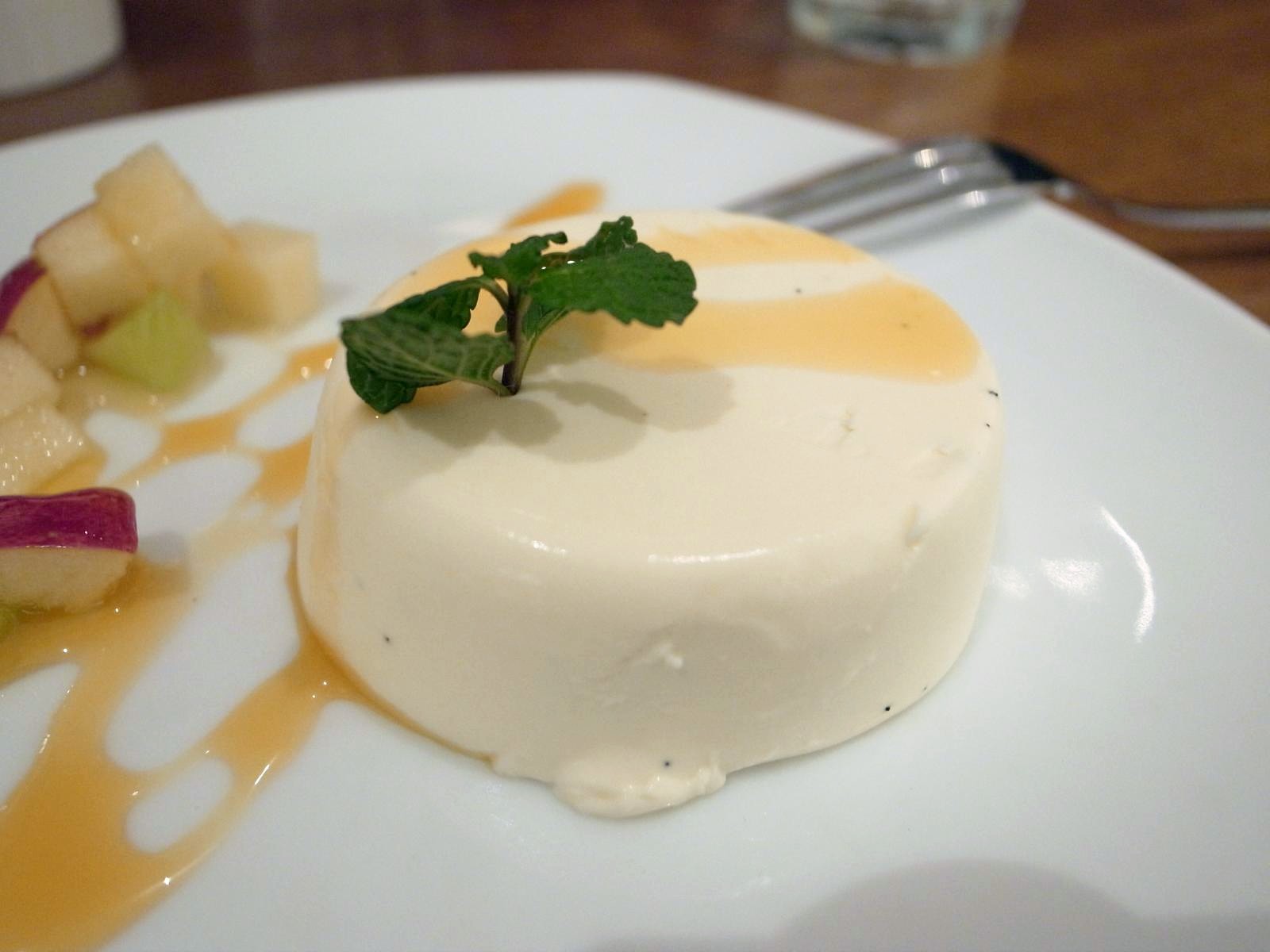
- Is the garnish right and the rim of the plate clean?
- Is hot food hot and cold food cold?
- Are all the plates for this table here?
Temperature is not only about taste. Food safety codes treat hot food held below 135°F as a problem; the Texas state inspection form, based on the federal model code, lists 135°F as the hot holding line. Heat lamps over the pass are there to keep plates warm for a short wait, not to hold food for long.
Step 4: Handing off to the runner
When the plates pass inspection, expo calls for a server or food runner and tells them the table number and which plate goes to which seat. Many restaurants number seats so the guest with the steak is served the steak without anyone asking who ordered what. If you want to know who does what on the dining room side, see our guide to front of house roles.
Expo also tells the server about anything unusual, such as the vegetarian dish being the allergy plate, so it goes straight to the right guest and is not mixed up on the way.
Step 5: Returns and closing the ticket
Say the steak comes back because the guest finds it underdone. The server brings it to expo, not straight to the grill cook. Expo decides what happens: the grill cook makes a new steak or finishes the existing one, depending on house policy, and expo makes sure the guest is not left waiting while the rest of the table eats.
Food that has been served to one guest and sent back should not go out to anyone else. Inspection forms include a priority item on how returned or previously served food is handled, so the safe habit is simple: what comes back from a table is not re-plated.
Once dessert has gone out and the table has finished, expo clears the ticket from the rail or the screen. On a busy night that same process is running for dozens of tables at once, which is why expediting is often handled by a senior cook, a sous chef or a manager who knows both the menu and the floor. For the bigger picture of how a whole evening unfolds, read our walkthrough of one night of dinner service.
Frequently asked questions
Who usually works as expo?
It depends on the restaurant. In some kitchens the head chef or sous chef expedites, in others a dedicated expediter or an experienced server does it. What matters is that the person knows the menu well and can stay calm under pressure.
What is the pass in a restaurant kitchen?
The pass is the counter or shelf between the cooking line and the dining room where finished plates are set down for checking and pickup. It often has heat lamps above it to keep plates warm for a short time.
Why does the food for my table sometimes arrive all at once?
That is the point of expediting. The expediter times each dish so that everyone at the table is served together, rather than one plate at a time as each station finishes.
Watch the pass on your next night out
If you sit near an open kitchen, watch the person standing at the counter where plates come out. Notice how they call tickets, how often they wipe a rim or send a plate back, and how the runners wait for their signal. For more on how restaurant kitchens are organized, browse our In the Kitchen guides.