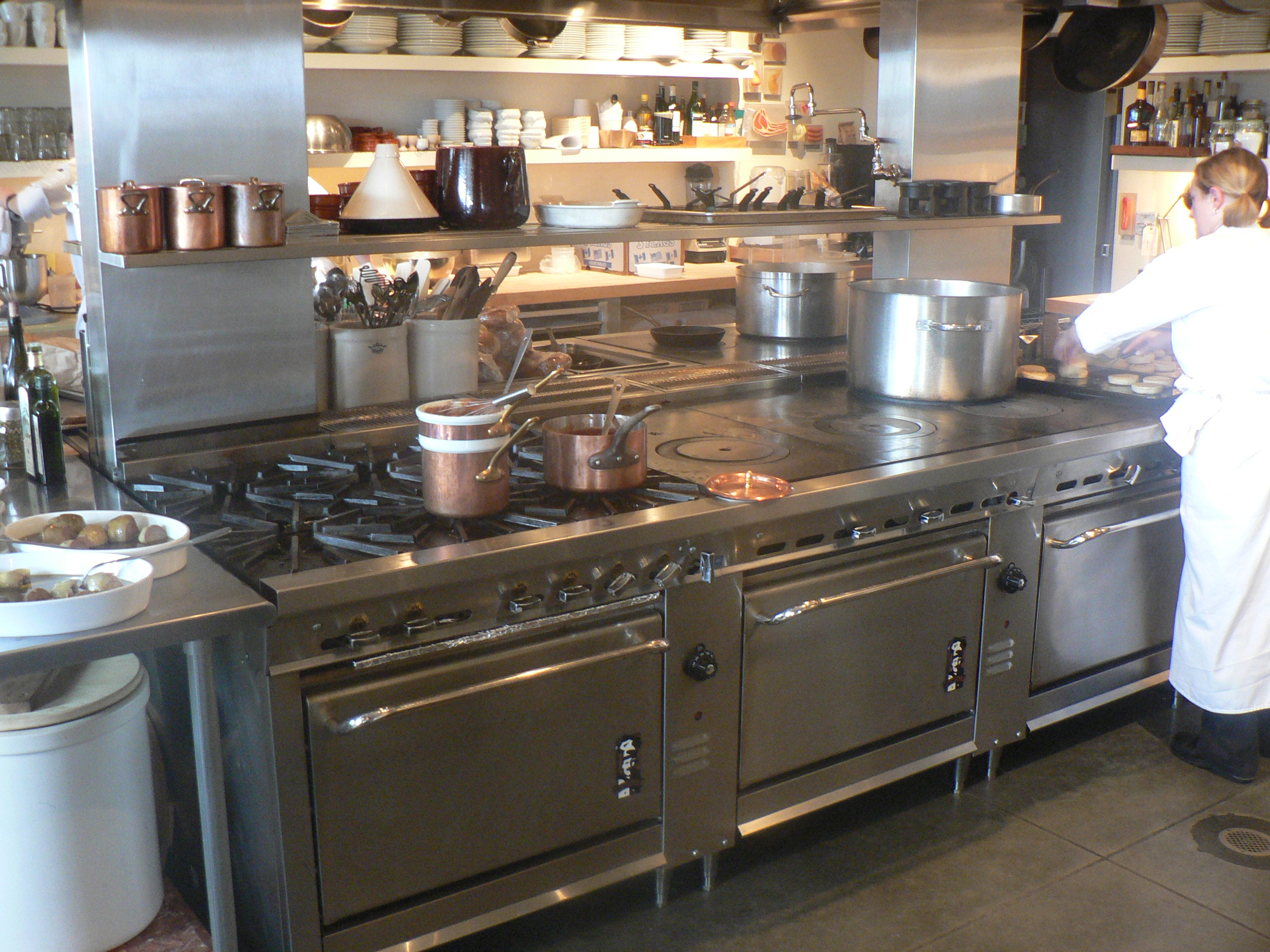
Kitchen stations are the separate work areas a restaurant kitchen is divided into, each responsible for one part of the menu. In a typical full-service kitchen you will find a grill station for meats, a sauté station for pan dishes and sauces, a fry station, a cold station for salads and starters, a pastry station for desserts and a prep area that supplies them all. Splitting the work this way lets several cooks build different parts of the same order at once, then bring them together at the pass. Below, the main stations are compared side by side.
Key takeaways
- Stations let each cook specialize, so complex menus can be cooked quickly and consistently.
- Modern station names map loosely onto the classic French brigade titles.
- The hot side (grill, sauté, fry) carries the most burn and fire risk; the cold side and prep carry more cut risk.
- Many cooks start on prep or the cold station and move toward the hot line as their skills grow.
How kitchen stations divide the work
The US Bureau of Labor Statistics notes that in large restaurants, cooks often work at assigned stations, are sometimes called line cooks, and prepare only part of each dish. A plate of steak with a sauce and a side of greens might draw on three stations at once, with each cook responsible for getting their component right and ready on time.
The idea comes from the classic brigade system created in 19th-century France by the chef Auguste Escoffier, in which each station was in the charge of a chef de partie, with junior cooks called commis below. We explain the full hierarchy in our guide to the kitchen brigade system. Few kitchens today use every French title, but the logic of dividing work by cooking method and course is the same.
Kitchen stations compared
This table sets the main stations next to each other. The classic titles and duties follow the brigade table in the open textbook Working in the Food Service Industry; the modern names are what you are more likely to hear on a North American line.
| Modern station | Closest classic title | What it typically handles | Main equipment | Main hazards |
|---|---|---|---|---|
| Grill | Grillardin | Grilled or broiled items such as steaks, chops and fish | Grill, broiler, oven | Heat, burns |
| Sauté | Saucier | Sauces, hot appetizers and finishing most main dishes | Burners, pans | Burns, hot handles, steam |
| Fry | No separate title in the textbook list | Fried starters, sides and mains | Deep fryers | Hot oil burns, grease fires |
| Fish | Poissonnier | Fish and seafood dishes | Burners, pans, oven | Burns, bones, cuts |
| Vegetables | Entremetier | Vegetables, starches and accompaniments | Burners, steamers | Steam and splash burns |
| Cold or pantry | Garde manger | Salads and cold appetizers | Cold counters, slicers | Cuts, slicer injuries |
| Pastry | Pâtissier | Desserts | Ovens, mixers | Oven burns, mixer injuries |
| Prep | Commis (junior cooks) | Washing, cutting, portioning, stocks | Knives, processors | Cuts, strains from repetitive work |
| Swing or floater | Tournant | Rotates between stations wherever the kitchen needs help | All of the above | All of the above |
Smaller kitchens merge stations, and a single cook might cover grill and fry together on a quiet night.
The hot side: grill, sauté and fry
These are the stations most diners picture when they think of a restaurant kitchen, and they are the most physically demanding. The Occupational Safety and Health Administration’s guidance for cooking areas says temperatures in front of hot grills can reach 105 to 110 degrees, and that deep fat fryers are the number one cause of burns in restaurant kitchens.
The same guidance sets out habits every hot-side cook learns early:
- Never pour or spill water or ice into hot oil, and never move or strain oil until it has cooled.
- Open steamers from the side so rising steam does not hit your face.
- Use a Class K extinguisher on grease fires, and never throw water on one.
- Drink water, take short cooling breaks and tell a coworker if you feel dizzy or unwell.
The sauté station can be especially demanding, because the cook may be juggling several pans and sauces at different stages while tickets keep arriving. The prep that makes that possible is covered in our guide to how professional kitchens get ready.
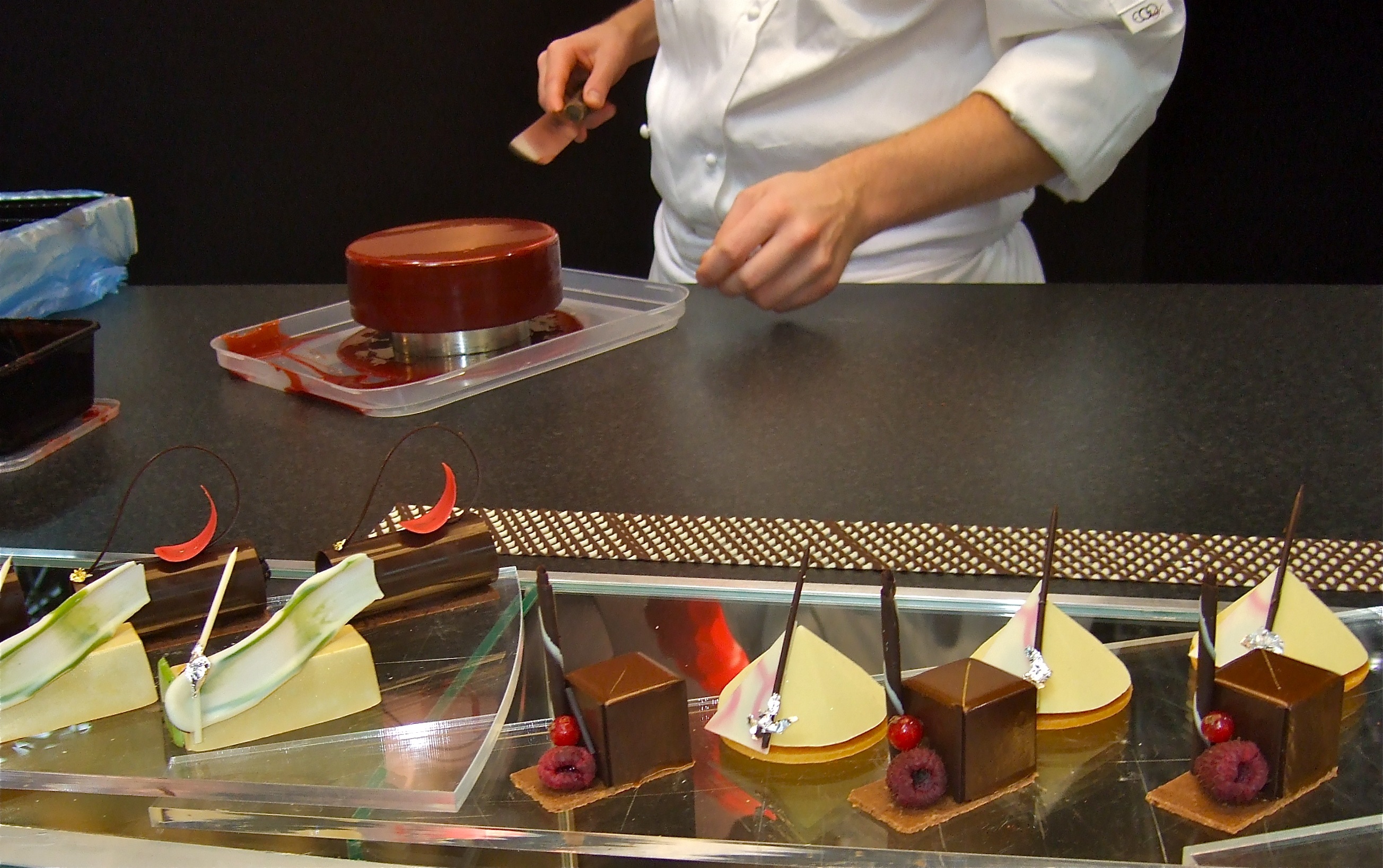
The cold side: garde manger and pastry
The cold station builds salads and cold starters, and in kitchens without a pastry cook it may also plate simple desserts. The work is less about heat and more about speed, precision and presentation. It is also where cut hazards dominate. OSHA’s food preparation guidance advises cutting away from the body, keeping knives sharp because dull ones slip, using push sticks rather than hands to feed slicers, and never reaching into a running machine. Federal child labor rules also bar workers under 18 from operating power-driven slicers and commercial mixers.
Pastry is often a world of its own, with its own schedule. Doughs, creams and bases are usually made well before service, and during service the pastry cook assembles and finishes plates to order. Precise measuring matters more here than anywhere else in the kitchen.
Prep, floaters and moving between stations
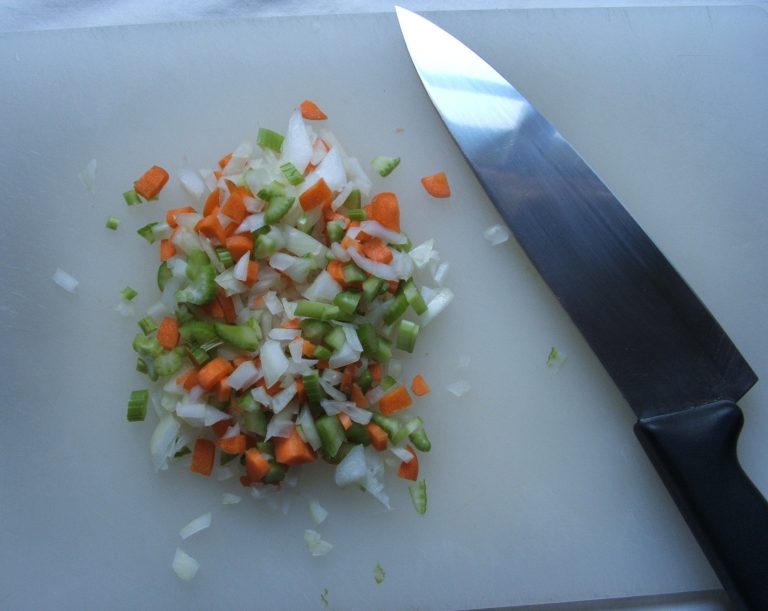
Prep cooks wash, cut, portion and cook components such as stocks and sauces in advance, so the line cooks can focus on cooking to order. The BLS notes that many restaurant cooks start as kitchen helpers or food preparation workers before moving up to assistant or line cook positions.
The floater, or tournant in the classic system, moves between stations to cover breaks, busy periods or a cook who has fallen behind. Because the job means knowing every station’s dishes, it suits a cook with broad experience. If you are mapping your own route through these stations, our walkthrough on how to become a line cook covers the early steps.
Frequently asked questions
Which kitchen station is the hardest?
There is no single answer; it depends on the menu and how busy the night is. Sauté is a common candidate because it can mean several pans, sauces and dishes at once under time pressure, while the grill can be just as demanding when it carries the most timing-sensitive items.
What station do new cooks usually start on?
Often prep or the cold station. Those roles build knife skills, speed and familiarity with the menu before a cook takes on the heat and pace of the hot line.
Does every restaurant have all these stations?
No. Small kitchens combine several stations under one or two cooks, while large hotel and banquet kitchens may split them further. The table above shows the common divisions, not a fixed rule.
Read the menu like a station chart
Next time you look at a restaurant menu, try sorting each dish by the station that would cook it: grill, sauté, fry, cold or pastry. You will start to see why some dishes arrive faster than others and why a kitchen is laid out the way it is. For more on how professional kitchens run, browse our In the Kitchen guides.