Shift work and sleep are a hard combination in restaurants because the job ends when everyone else is asleep and sometimes starts again early the next day. The habits that help most are simple: keep a regular wake time, make your bedroom dark, cool and quiet, wind down without screens after a late close, time caffeine and naps carefully, and treat the drive home as a safety risk when you are tired. None of this replaces medical advice. If you are struggling with sleep for weeks, talk to a clinician.
Key takeaways
- Adults need 7 or more hours of sleep, according to the CDC, and late closes make that harder to fit in.
- A regular wake time, even on days off, helps your body clock more than a fixed bedtime.
- Blackout curtains, earplugs and no screens before bed protect sleep that starts late.
- Drowsy driving after a late shift is a real hazard; plan the trip home.
Why shift work and sleep clash in restaurant jobs
Restaurant schedules are irregular by design. The US Bureau of Labor Statistics notes that cooks’ and servers’ schedules can include early mornings, late evenings, weekends and holidays. A closing server may finish cleaning well after midnight, and a cook on the next morning’s prep may be back before lunch. Our guides to front of house roles and becoming a line cook describe how these shifts are built.
The body clock does not adjust instantly. The Centers for Disease Control and Prevention’s guidance on sleep says adults aged 18 to 60 need 7 or more hours a night and lists habits that support healthy sleep, including going to bed and getting up at the same time every day. That is a challenge when your schedule moves from week to week, so the steps below focus on what you can control.
Step 1: Fix your wake time first
When bedtime is unpredictable, anchor the other end. Public health guidance for shift workers, including the Military Health System’s sleep strategies for shift workers, recommends keeping a consistent sleep schedule and staying on it even on days off. If you rotate between closing and opening shifts, the same source suggests shifting your sleep time gradually before the schedule changes rather than flipping it overnight.
- Pick a wake time you can keep on most days, including weekends.
- If you lose sleep after a late close, go to bed earlier the next night rather than sleeping very late.
- Post your schedule where the people you live with can see it.
Step 2: Make the bedroom work for late or daytime sleep
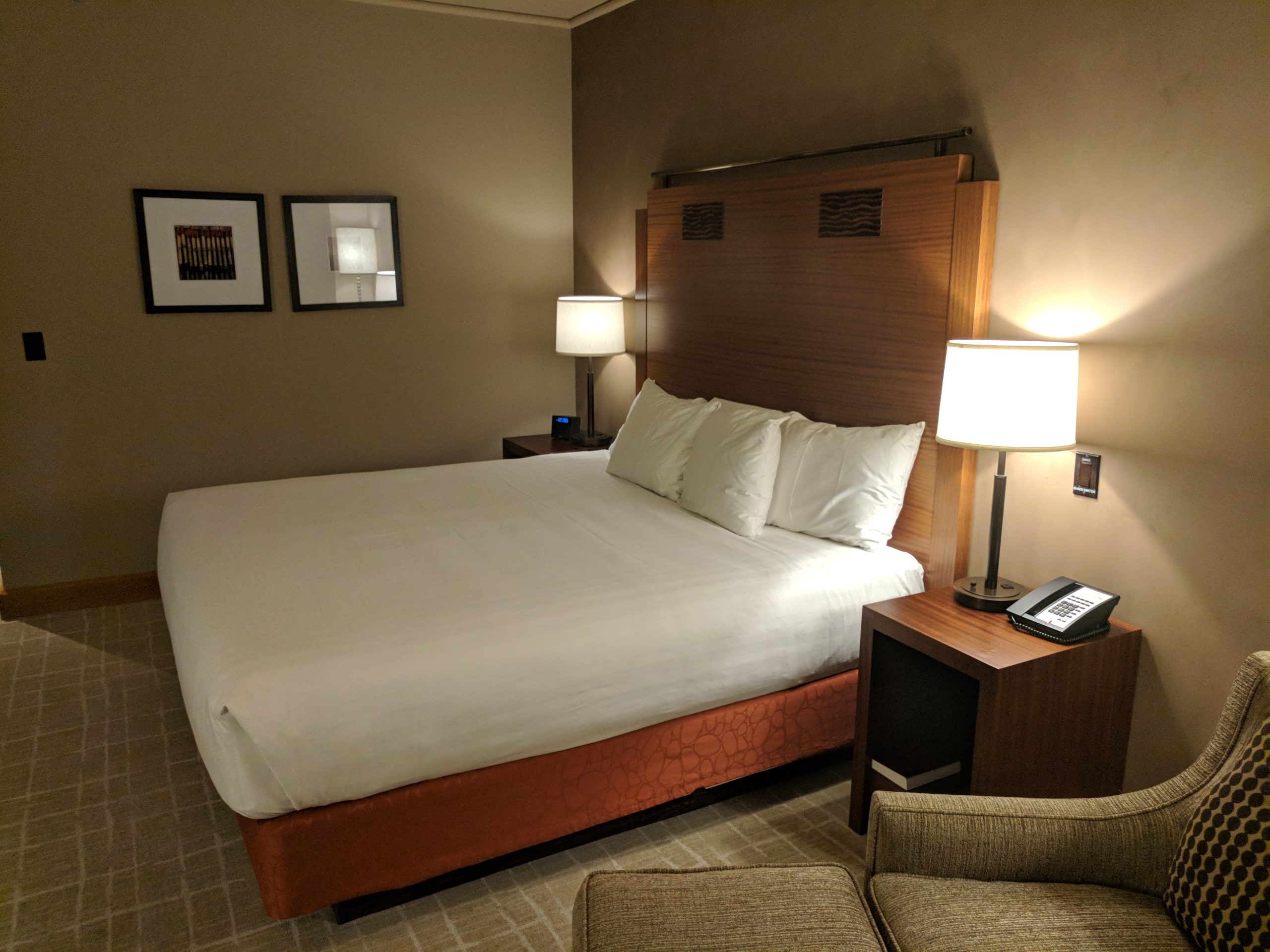
If you get home at 1 a.m. and want to sleep until 9, morning light and household noise are the enemies. The Military Health System guidance says to keep the bedroom cool, dark and quiet, and suggests sleep masks, blackout curtains, earplugs or a white noise app for daytime sleep. The CDC adds that a peaceful, calm and cool bedroom supports better sleep.
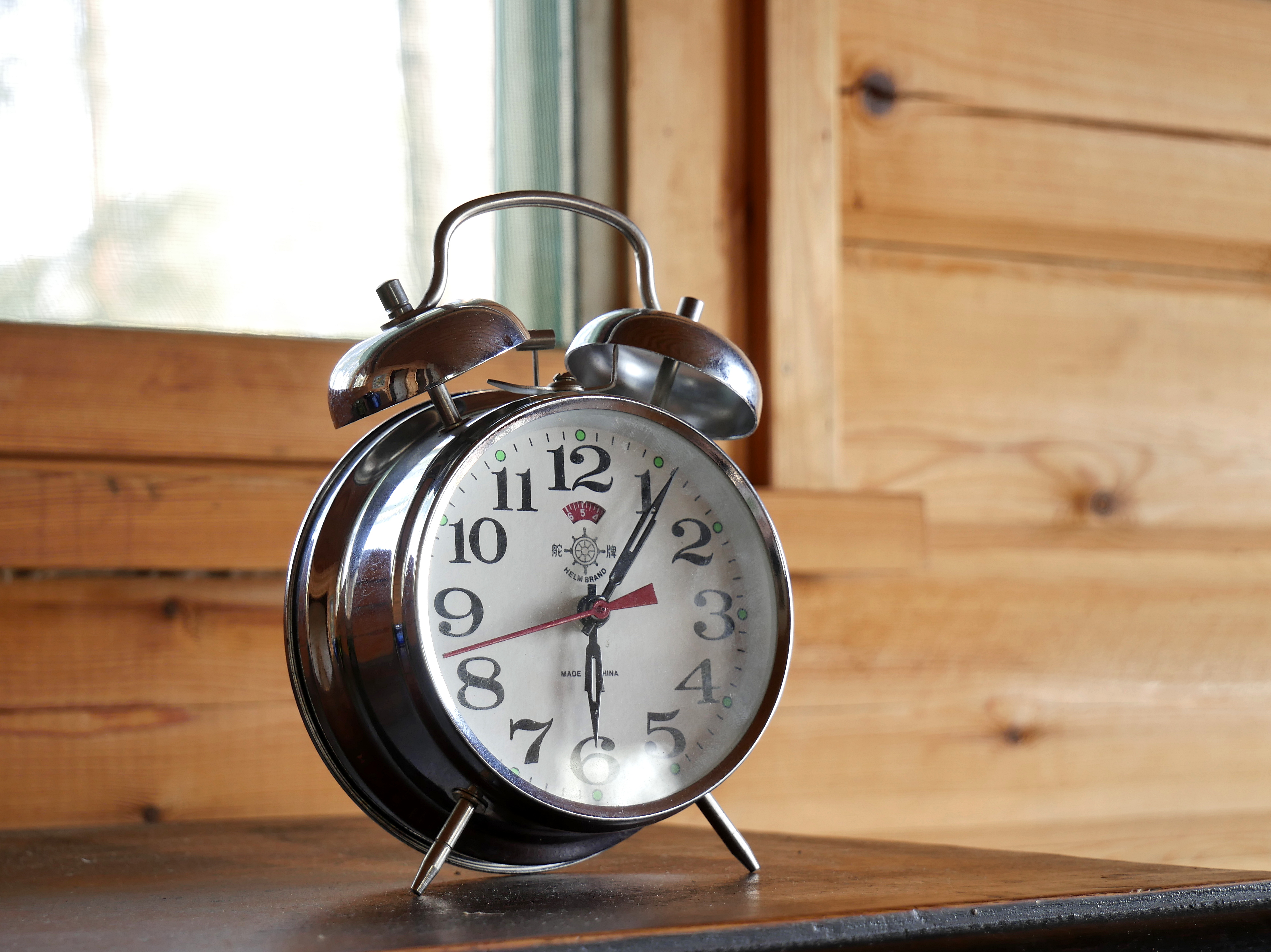
A short checklist for your room:
- Blackout curtains or a blind that blocks morning light
- Earplugs or steady background noise to cover daytime sounds
- Phone on silent or do-not-disturb during your sleep hours
- A cool room, with a fan if you need one
Step 3: Wind down after a late close
Most people finish a busy service with their heart still racing. Going straight to bed rarely works, but scrolling for an hour makes it worse. The CDC recommends turning off electronic devices at least 30 minutes before bed, and the Military Health System notes that blue light from screens may make it harder to fall asleep.
A wind-down routine can be short: shower, change, a light snack if you are hungry, and something low-key that is not a screen. Doing the same few things each night helps signal that the shift is over.
Step 4: Be deliberate about food, caffeine, alcohol and naps
An after-shift drink can feel like a way to unwind, but it works against sleep. The CDC advises avoiding large meals and alcohol before bedtime and avoiding caffeine in the afternoon or evening. The Military Health System notes that alcohol may help you fall asleep faster but can lower sleep quality.
| Habit | What the guidance says | Restaurant-shift version |
|---|---|---|
| Caffeine | Avoid in the afternoon or evening (CDC) | Have your last coffee early in a closing shift, not at the end |
| Alcohol | Avoid close to bedtime; it can reduce sleep quality | Skip the post-close drink on nights you need real rest |
| Food | Avoid large meals before bed; choose light snacks on late shifts | Eat staff meal at a sensible time, then keep late snacks light |
| Naps | A nap before a night shift can improve alertness | A short nap before a double or a late close |
Step 5: Plan a safe trip home
Tiredness is a road safety issue. The National Highway Traffic Safety Administration’s page on drowsy driving lists a late or long shift at work as a cause of fatigue and says drowsy-driving crashes occur most often between midnight and 6 a.m., or in the late afternoon. It warns that coffee or energy drinks may help only briefly and that you may still have micro sleeps, brief losses of consciousness lasting four or five seconds.
If you are drowsy after a late close, consider a ride home, a coworker carpool or public transport. NHTSA suggests that if you must drive while sleepy, a short nap of about 20 minutes at a safe, lighted place boosts alertness only for a short time.
Frequently asked questions
How much sleep do restaurant workers need?
The same as anyone else. The CDC recommends 7 or more hours for adults aged 18 to 60. The challenge in restaurant work is timing that sleep around late closes and early shifts.
Is it better to sleep right after a late shift or stay up?
Guidance for shift workers suggests not delaying sleep too long, because the longer you put it off, the more alert your body clock may make you feel. A short wind-down without screens usually works better than staying up for hours.
When should I see a doctor about sleep?
If you regularly cannot fall asleep or stay asleep, feel very sleepy at work or while driving, or your sleep problems last for weeks, speak to a clinician. They can check for sleep disorders and give advice suited to you.
Pick one change for this week
You do not need to overhaul your life. Choose one step, such as a fixed wake time or blackout curtains, and try it for a week of shifts before adding another. Small changes add up when the schedule is not going to change. For more on life around restaurant work, browse our lifestyle articles.