You can cook like a chef at home without a restaurant range or a drawer of gadgets. What separates a professional cook from a stressed home cook is mostly routine: reading the recipe before starting, prepping everything first, keeping knives sharp, cleaning as you go, checking doneness with a thermometer, and cooling leftovers quickly. Those habits make dinner calmer, safer and more consistent. The checklist below breaks them into stages so you can adopt them one at a time, starting tonight.
Key takeaways
- Read the whole recipe and set out every ingredient before any heat goes on.
- A sharp knife used carefully is safer than a dull one that slips.
- Wipe, wash and put away as you cook so the counter never gets ahead of you.
- Use a food thermometer for meat, poultry, fish and leftovers instead of guessing.
- Refrigerate leftovers within two hours, or one hour on very hot days.
Before you turn on the heat
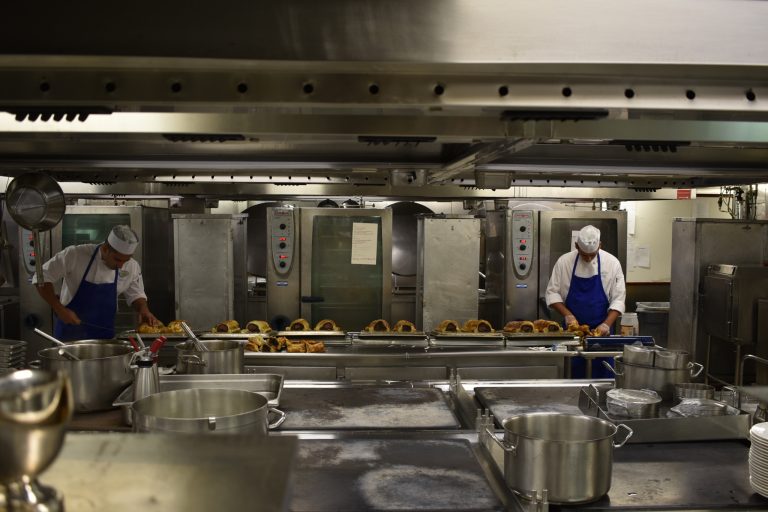
Professional kitchens run on preparation. Cooks arrive hours before service to set up their stations, which is the idea behind how professional kitchens get ready with mise en place. At home, the same approach stops the classic scramble of chopping garlic while onions burn.
- Read the recipe from start to finish, including the method, before buying or cooking anything.
- Note any step that needs time in advance, such as marinating, soaking or bringing butter to room temperature.
- Clear the counter and set out a cutting board, a damp towel under it to stop slipping, and a bowl for scraps.
- Wash, peel, cut and measure every ingredient into small bowls or onto a tray.
- Group ingredients by when they go into the pan, not by type.
- Preheat the oven or pan only once the prep is done.
This feels slow the first few times. After a week, it becomes the fastest part of cooking, because nothing interrupts you once the heat is on.
Knife habits borrowed from the line
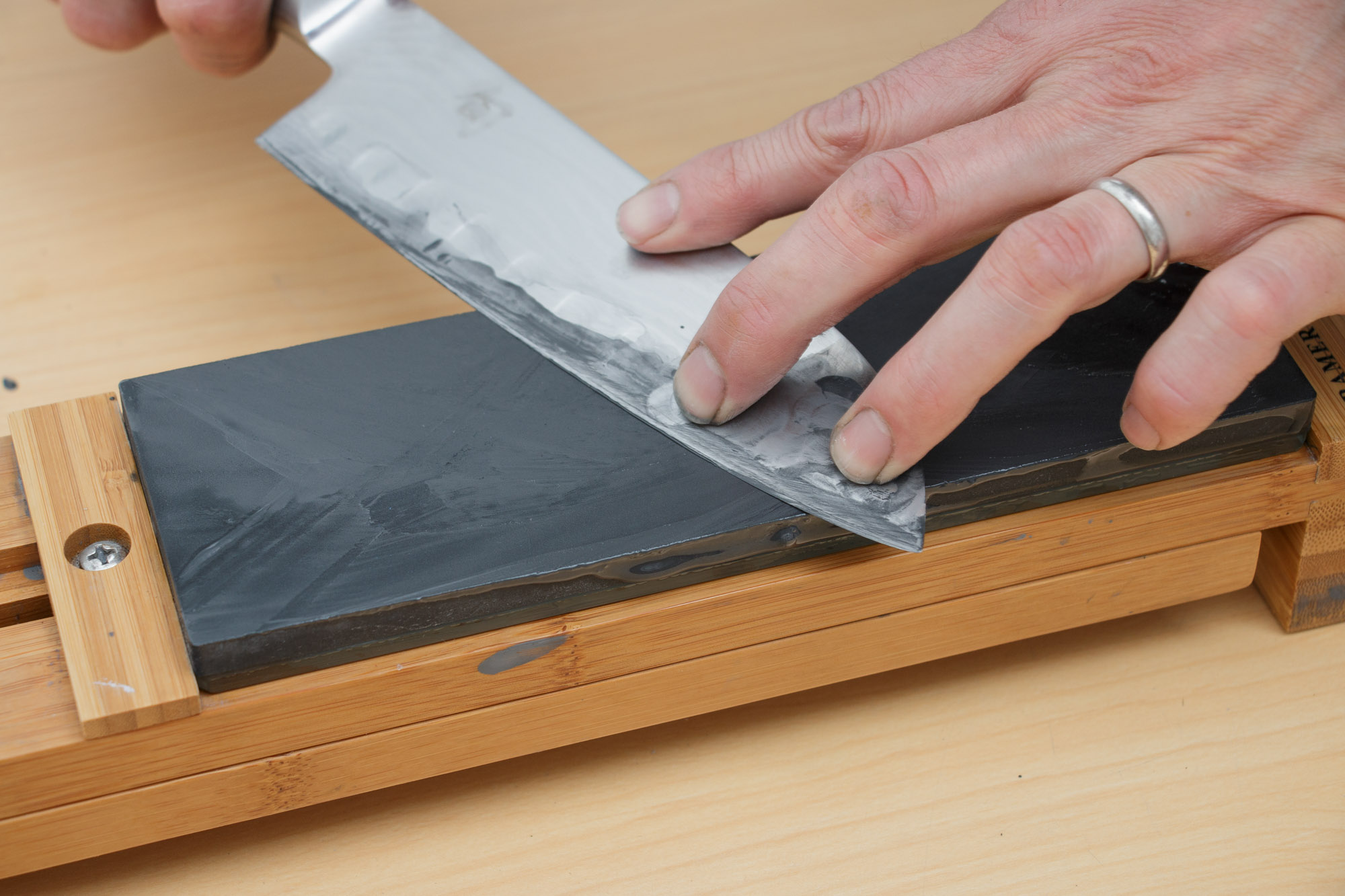
Restaurant cooks treat knives as tools that need care, and workplace safety guidance explains why. The US Occupational Safety and Health Administration’s restaurant food preparation safety guide notes that dull knives tend to slip and may cause injuries, and lists habits that translate directly to a home kitchen.
- Keep your knives sharp, and hone or sharpen them on a regular schedule.
- Use the right knife for the job and only for cutting.
- Cut away from your body and keep fingers and thumbs out of the cutting line.
- If a knife falls, step back and let it fall. Do not try to catch it.
- Never leave knives in a sink of soapy water, where nobody can see them.
- Clean the knife straight after use and store it in a block, on a magnetic strip or with a blade guard.
- Keep knives away from the edge of the counter.
- Put the knife down before you turn to talk to anyone.
If you want to practice the classic shapes once your knife is sharp, the same habits apply to every cut.
Cook like a chef at home with a thermometer, not a guess
Experienced cooks may judge doneness by touch, but kitchens that are inspected also rely on probe thermometers, and so should you. Color and texture can mislead, especially with poultry and ground meat. The federal safe minimum internal temperatures chart gives clear targets.
| Food | Safe minimum internal temperature | Extra note |
|---|---|---|
| Beef, veal, lamb and pork steaks, roasts and chops | 145°F (63°C) | Rest for 3 minutes |
| Ground meat and sausage | 160°F (71°C) | Check the thickest part |
| Chicken, turkey and other poultry | 165°F (74°C) | Includes ground poultry |
| Egg dishes such as frittata or quiche | 160°F (71°C) | Check the center |
| Fish, whole or fillet | 145°F (63°C) | Or until flesh is opaque and flakes |
| Leftovers and casseroles | 165°F (74°C) | Reheat until steaming throughout |
- Insert the probe into the thickest part of the food, away from bone and fat.
- Clean the probe between foods, especially between raw and cooked items.
- Let roasts and steaks rest before slicing; the rest time is part of the safety target.
Clean as you go and keep raw food apart
A busy station that stays tidy is one of the clearest signs of an experienced cook, and it is also one of the kitchen myths and realities worth knowing: good kitchens clean constantly, not only at closing. The USDA’s four steps to food safety set out the core routine.
- Wash your hands with soap and warm water for 20 seconds before and after handling food.
- Keep raw meat, poultry and fish and their juices away from foods that will not be cooked.
- Wash the board, knife and counter with hot, soapy water after cutting raw meat.
- To sanitize a board, the USDA suggests one tablespoon of plain liquid chlorine bleach in a gallon of water.
- Empty the scrap bowl and wipe the counter between stages of a recipe.
- Wash pans while something simmers rather than leaving them all for the end.
Restaurants divide work by station so that tasks do not collide. You can borrow a light version of how kitchen stations are organized by keeping one zone for raw proteins and another for vegetables and garnishes.
Taste, finish and store like a professional
The last minutes are where a dish comes together, and where leftovers become either tomorrow’s lunch or a food safety problem.
- Taste as you cook, using a clean spoon each time, and adjust seasoning in small steps.
- Add delicate herbs and acidic finishes such as lemon juice or vinegar near the end.
- Warm plates for hot food and keep cold food chilled until it is served.
- Refrigerate perishable food within 2 hours, or within 1 hour when the temperature is above 90°F.
- Keep your refrigerator at 40°F or colder and your freezer at 0°F or colder, and check with an appliance thermometer.
- Divide large batches into shallow containers so they cool faster, and label them with the date.
Frequently asked questions
Do I need professional equipment to cook like a chef at home?
No. A sharp chef’s knife, a stable cutting board, a few heavy pans, small prep bowls and an instant-read thermometer cover most of what home cooking needs. The habits around those tools matter more than the tools themselves.
Is a sharp knife really safer than a dull one?
Workplace safety guidance says dull knives tend to slip and may cause injuries, because you have to push harder to cut. A sharp knife still demands care, so keep fingers clear of the cutting line and cut away from your body.
How long can cooked food sit out before it goes in the fridge?
Federal guidance says perishable food should be refrigerated within 2 hours, or within 1 hour if the temperature is above 90°F. When in doubt about food left out longer, throw it away.
Pick three habits for this week
Do not try to change everything at once. Choose three items from the checklist, such as reading the recipe through, prepping into bowls and using a thermometer, and stick with them for a week of dinners. Once they feel automatic, add three more. For more ideas on bringing restaurant thinking into everyday life, browse our Lifestyle articles.