A prix fixe menu is a complete meal, usually two to four courses, offered for one set price, often with a short choice at each course. A tasting menu is a longer series of small courses chosen by the chef, also at one price, with little or no choice. Ordering à la carte means picking dishes individually from a menu where each item has its own price. The right choice depends on how much control, time and budget certainty you want.
Key facts
- “Prix fixe” is French for “fixed price” and is pronounced PREE-FEEKS; Merriam-Webster dates its first known use in English to 1851.
- “À la carte” means ordering from a menu that prices items separately; its first known English use is 1816.
- A prix fixe usually lets you choose within each course; a tasting menu usually does not.
- Tasting menus take longer and more often require a reservation, deposit or advance notice of dietary needs.
- Drinks, tax and gratuity are usually extra on all three formats; read what the set price includes.
What is a prix fixe menu?
Merriam-Webster defines prix fixe as a complete meal offered at a fixed price, and also as the price charged for it. In practice, a restaurant lists a set number of courses, for example a starter, a main and a dessert, with two or three options for each, and charges one figure whatever you pick. Some restaurants run a prix fixe every night, others only at lunch, for early seatings, for a restaurant week promotion or on holidays such as Thanksgiving and New Year’s Eve.
For the kitchen, a short, fixed menu makes prep predictable, which is part of why restaurants use it on their busiest nights. For you, it means knowing the cost of the food before you sit down.
How is a tasting menu different?
A tasting menu is also sold at one price, but it is built as a sequence the chef designs: more courses, smaller portions, and dishes that show off the kitchen’s style or the season. Five to a dozen or more courses is common, and the meal can last several hours. Choice is limited, often to a vegetarian version or a wine pairing. Some restaurants serve only a tasting menu; others offer it beside the regular menu, sometimes only if the whole table orders it.
What does à la carte mean?
Merriam-Webster defines à la carte as ordering according to a menu or list that prices items separately. It is the standard way most restaurants work: you pick what you want, as much or as little as you want, and the bill adds up item by item. The phrase also shows up on prix fixe menus, where a dish ordered “à la carte” means outside the set meal, at its own price.
How do the three formats compare?
| Prix fixe | Tasting menu | À la carte | |
|---|---|---|---|
| Price | One set price | One set price, usually higher | Each item priced separately |
| Courses | Usually 2 to 4 | Many small courses | Your choice |
| Choice | A few options per course | Little or none | Full menu |
| Time at the table | Similar to a regular meal | Often several hours | Flexible |
| Booking | Sometimes required | Often required, sometimes with a deposit | Depends on the restaurant |
| Best for | A known budget, holidays, first visits | Special occasions, trying a chef’s style | Picky eaters, quick meals, sharing |
Is a prix fixe menu a good deal?
Often, but check the arithmetic. Compare the set price with what the same courses would cost à la carte, if the restaurant lists them. A prix fixe tends to be good value when you would have ordered three courses anyway, and poor value when you only wanted a main. Look for supplements, too: a steak or seafood option on a prix fixe sometimes carries an extra charge. How restaurants decide which dishes to feature, and why, is covered in our guide to menu engineering.
What should you know before booking a tasting menu?
- Time: ask how long the meal usually takes and plan transport and babysitters around it.
- Allergies and diets: tell the restaurant when you book. A kitchen running a fixed sequence needs notice to change it. Our guide to menu allergen statements explains what a printed allergy note can and cannot tell you.
- Deposits and cancellations: many tasting-menu restaurants take a card or a prepayment, because an empty seat is food already prepared. Read the policy; our explainer on restaurant no-show policies covers how these work.
- What is included: check whether the price includes drinks, pairings, tax and service, and whether a service charge is added automatically.
- Whole-table rules: some restaurants serve the tasting menu only if everyone at the table orders it.
Frequently asked questions
How do you pronounce prix fixe?
PREE-FEEKS, with both parts stressed equally. Merriam-Webster also lists PREE-FIKS as a variant.
Is a prix fixe menu the same as table d’hôte?
They are close. Both describe a set meal at a set price; table d’hôte is the older term and is used more often in Britain and Canada.
Can you share a tasting menu?
Usually not. Tasting menus are priced and plated per person, and some restaurants require the whole table to take part. Ask when you book.
Are drinks included in a prix fixe price?
Usually not, unless the menu says so. Wine pairings and cocktails are normally extra, as are tax and tip.
Can I swap a course on a prix fixe menu?
Sometimes, for allergies or diets. Ask politely, and expect that a swap to a dish outside the set menu may be charged à la carte.
The short version
Choose prix fixe for a known price and a little choice, a tasting menu for a long, chef-led occasion, and à la carte for full control. Whatever you pick, read what the price includes. To see how a full evening runs from the restaurant’s side, read our walkthrough of one night of dinner service or browse more Menus & Standards guides.
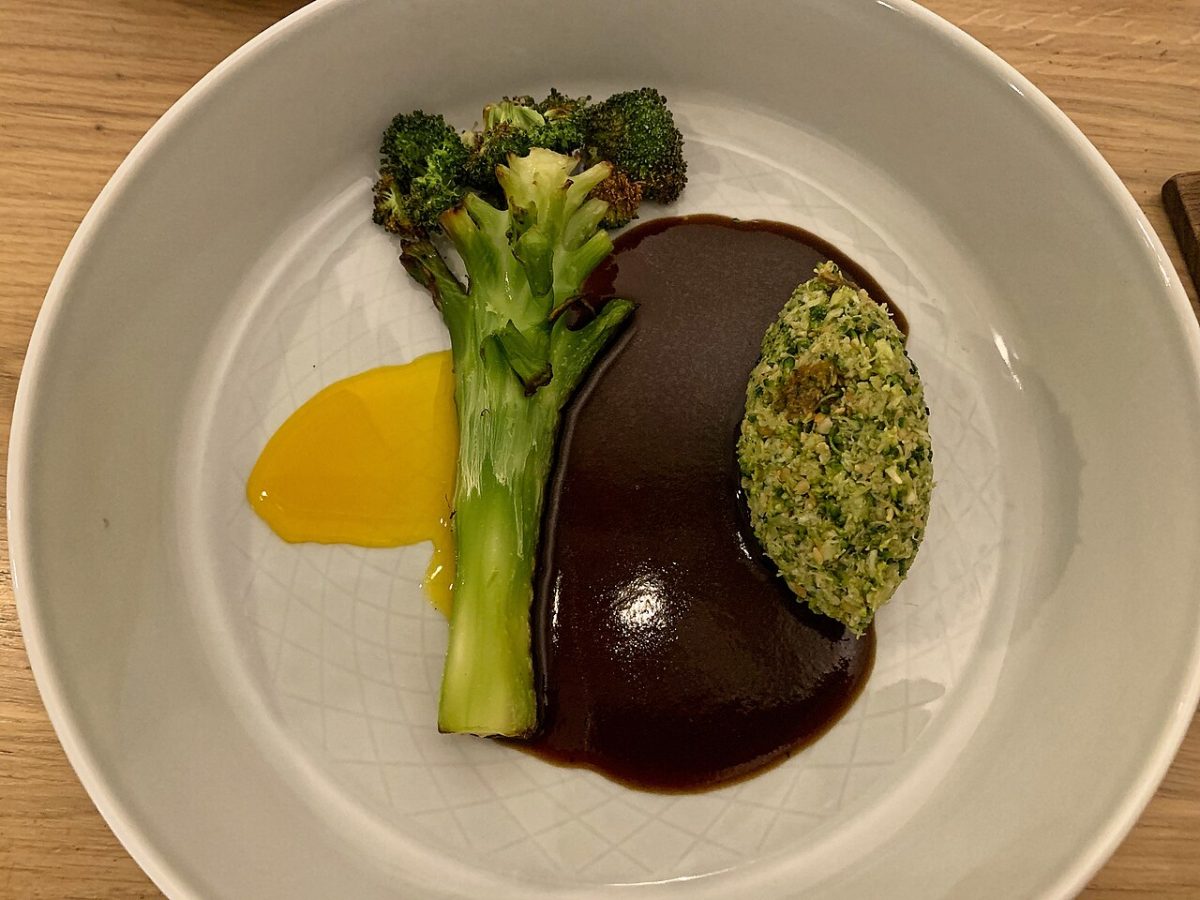
Featured photo: Seven-course tasting menu at Monstera Bistro, Ljubljana by Bex Walton, CC BY 2.0.