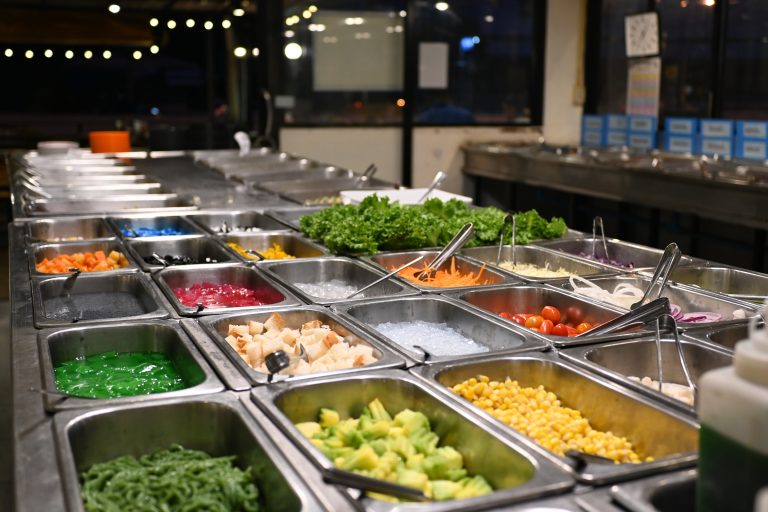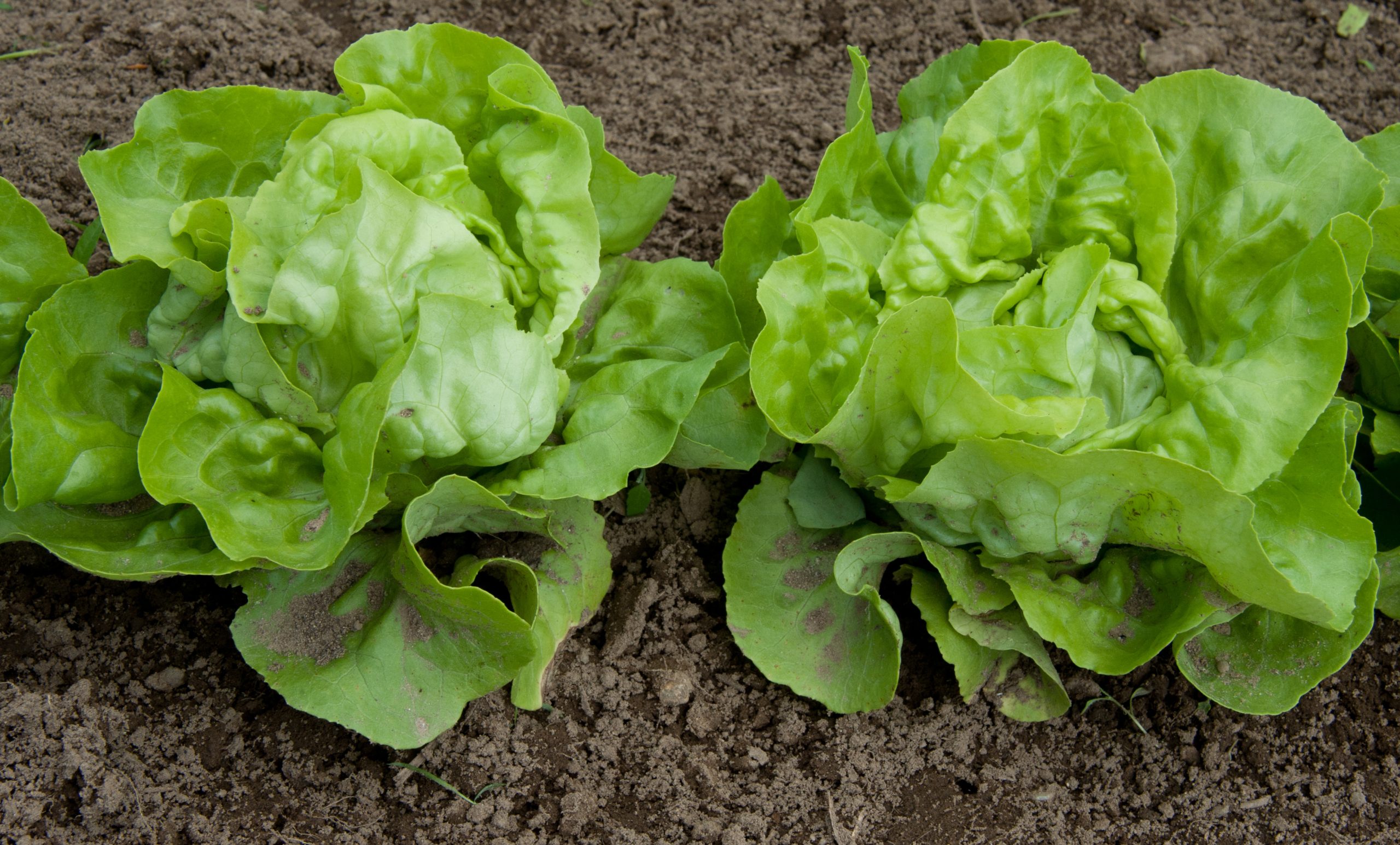
Farm to table claims sound precise, but in the United States the phrase is a marketing description, not a certified standard. A restaurant using it might buy directly from named growers every week, or it might source one seasonal salad locally and everything else through a distributor. The words “local” and “organic” are related but different: “local” has several competing definitions, while “organic” is a regulated term with federal rules. Knowing which is which, and what to ask, lets you judge a menu for yourself instead of taking a slogan on trust.
Key takeaways
- “Farm to table” has no official definition or certification.
- “Local” is defined differently in different federal laws and programs.
- “Organic” is a regulated term with set ingredient thresholds and certification.
- Out-of-season local claims are worth a question, though frozen or preserved produce can explain them.
- Staff who can name farms and describe the relationship are a good sign.
Farm to table claims at a glance
| Myth | Fact |
|---|---|
| Farm to table is a certified label | It is neither regulated nor officially defined |
| Local means a fixed distance set by law | Federal definitions differ, from a mileage limit to state lines |
| Farm to table means organic | Organic is a separate, regulated claim |
| Every ingredient comes from nearby farms | Menus can mix local and non-local sourcing |
| Diners have no way to check | Specific questions quickly reveal how real a claim is |
Myth 1: Farm to table is an official certification
Fact: It is not. An investigation by the New York City Food Policy Center at Hunter College, What You Need to Know Before You Eat at the Next Farm-to-Table Restaurant, describes the farm-to-table label as “neither regulated nor officially defined.” It contrasts this with certified organic labeling, which does have rules.
That does not make the phrase meaningless. Many restaurants build menus around what nearby growers can supply, and our guide to how restaurants design a menu explains why seasonal sourcing shapes what appears on the page. It means the phrase alone guarantees nothing, so the details matter.
Myth 2: Local means a set distance defined by law
Fact: There are several definitions, and they disagree. A USDA National Agricultural Library exhibit on what makes a food local points to the 2008 Farm Bill, which defined a locally or regionally produced food as one transported less than 400 miles from its origin, or produced within the same state where it is marketed. The Food Safety Modernization Act uses a smaller radius of not more than 275 miles, or the same state.
Schools, which buy for farm-to-school programs, show how flexible the term is in practice. When the Farm to School Census asked districts how they defined local, answers varied widely, and the largest share, 26 percent, chose “within the state.” A restaurant saying “local” could be using any of these ideas, or its own.

Myth 3: Farm to table means organic
Fact: These are separate claims. Organic is regulated by the USDA’s National Organic Program. Its organic labeling rules set categories: “100 percent organic” for products with entirely organic ingredients, “organic” for at least 95 percent organic ingredients, and “made with organic” for at least 70 percent, in each case excluding salt and water. Organic products must be overseen by a USDA-authorized certifying agent.
A small local farm may grow without synthetic inputs but not be certified, and a certified organic ingredient may travel a long way. Neither is automatically better. If organic matters to you, ask about it directly rather than assuming it from “farm to table.”
Myth 4: Every ingredient comes from a nearby farm
Fact: Few kitchens could manage that. Restaurants still need staples such as flour, oil, spices, coffee and many proteins, and seasons limit what nearby farms can supply. The Food Policy Center suggests being skeptical of out-of-season local claims, while noting that frozen or preserved produce can explain some of them. A summer tomato preserved by the kitchen is a legitimate local ingredient in winter. A fresh one in a cold-climate town in January probably is not.
Menu wording is a useful clue. A specific claim, such as naming the farm that supplied the greens, is easier to stand behind than a blanket statement on the cover.
Myth 5: Diners have no way to check the claims
Fact: You can ask, and the answers are revealing. The Food Policy Center recommends asking where the food comes from, which farms supply the restaurant, what the relationship is and whether staff have visited. In its words, “If they don’t know and can’t seem to find any answers to your questions, that should raise a red flag.” Restaurants that genuinely work with growers usually enjoy talking about them.
Sourcing claims sit alongside other standards that govern restaurants. Food safety rules apply whatever the source, as our walkthrough of how the FDA Food Code sets restaurant rules explains, and our comparison of restaurant ratings, guides and grades covers the other signals diners use to judge a place.
Frequently asked questions
Is farm-to-table food safer?
Not automatically. Distance from the farm does not determine safety. Restaurants must follow the same food safety rules regardless of where ingredients come from.
Can a restaurant call itself organic?
Organic claims are governed by federal labeling rules for products. If organic matters to you, ask which ingredients are certified organic rather than relying on a general statement.
What is the best single question to ask?
Ask which farms supplied tonight’s dishes. A specific, confident answer suggests real relationships; vague replies suggest a slogan.
Read the menu like an insider
Treat farm to table claims as an invitation to ask, not as a guarantee. Look for named farms, seasonal dishes that change, and staff who can tell you where things came from. For more on the rules and labels behind restaurant menus, see our menus and standards articles.