Most restaurant kitchen myths come from two places: television, which shows screaming chefs and nonstop chaos, and marketing, which suggests every dish is made from scratch the second you order. The reality sits in between. Professional kitchens run on preparation done hours ahead, a clear chain of command and food safety rules written into law. They also deal with real problems that public health researchers have measured, such as missed handwashing and staff working while ill. Here are five common beliefs, set against what government agencies and researchers actually report.
Key takeaways
- Much of your meal was prepared before service started, which is how kitchens cook quickly and consistently.
- Gloves are not a substitute for handwashing under food codes.
- CDC research found handwashing is often missed when kitchens are busy or sinks are hard to reach.
- Working while sick is a known problem that good managers plan around.
- Kitchen heat and hot oil are serious workplace hazards, not just discomfort.
Restaurant kitchen myths at a glance
| Myth | What actually happens |
|---|---|
| Everything is cooked from scratch when you order | Ingredients are prepped in advance and finished to order |
| Gloves mean hands do not need washing | Food codes require washing before putting gloves on |
| Staff always wash their hands when they should | Research shows it is often missed under time pressure |
| Cooks never come to work sick | Many food workers report having worked while ill |
| Good kitchens run on shouting | They run on structure, stations and clear calls |
| The heat is just part of the job | High heat and hot oil are recognized safety hazards |
Myth 1: Your dish is cooked from scratch the moment you order
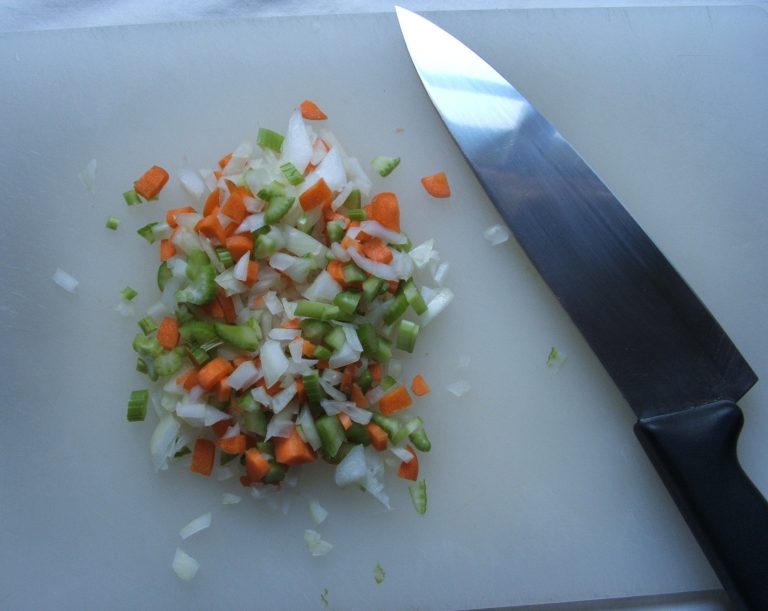
Fact: A restaurant could not serve a full dining room that way. Sauces, stocks, chopped vegetables, portioned proteins and garnishes are made before service and arranged at each cook’s station, a system known as mise en place. When your ticket arrives, the cook finishes and assembles the dish from those ready components. Our guide to how professional kitchens get ready with mise en place explains the routine.
This is not a shortcut. Doing the slow work in advance is what lets a kitchen cook each order in minutes and make it the same way every time.
Myth 2: Gloves and good habits keep every pair of hands clean
Gloves do not replace handwashing. Gloves are one tool among several. State food codes based on the FDA model prohibit bare-hand contact with ready-to-eat food, the kind that will not be cooked again. A Kansas food code fact sheet lists the approved tools: deli tissue, spatulas, tongs, forks, dispensing equipment and single-use gloves. The same sheet is explicit that “good handwashing practices must still be followed, even when using single-use gloves,” and that workers should wash their hands before putting gloves on. A dirty hand in a clean glove can still contaminate food.
Workers do not always wash when they should. Public health research is clear on this. A CDC study summarized in Food Worker Handwashing in Restaurants found that workers washed their hands when they should only about one in three times. Workers had about nine activities an hour that called for handwashing but washed about two to three times an hour.
The same research points to the fixes. Workers washed more when they were not busy, when the restaurant provided food safety training, and when there was more than one hand sink, including one they could see from where they worked. Workers named time pressure from heavy business or short staffing as a barrier. In other words, handwashing is partly about individual habits and partly about how the kitchen is designed and staffed.

Myth 3: Cooks never come to work sick
Fact: It happens more than most diners would like. CDC research reported in Restaurants Can Manage Sick Workers to Help Prevent Outbreaks found that 1 in 5 food workers had worked while sick with vomiting or diarrhea for at least one shift in the previous year. Most restaurants had a sick worker policy, but one in three policies did not list the symptoms that should keep a worker home.
The CDC suggests managers write clear policies on reporting illness, ask workers about symptoms, address the reasons people come in sick, such as financial pressure and short staffing, and build schedules with on-call cover so nobody feels they must work ill.
Myth 4: Great kitchens run on shouting
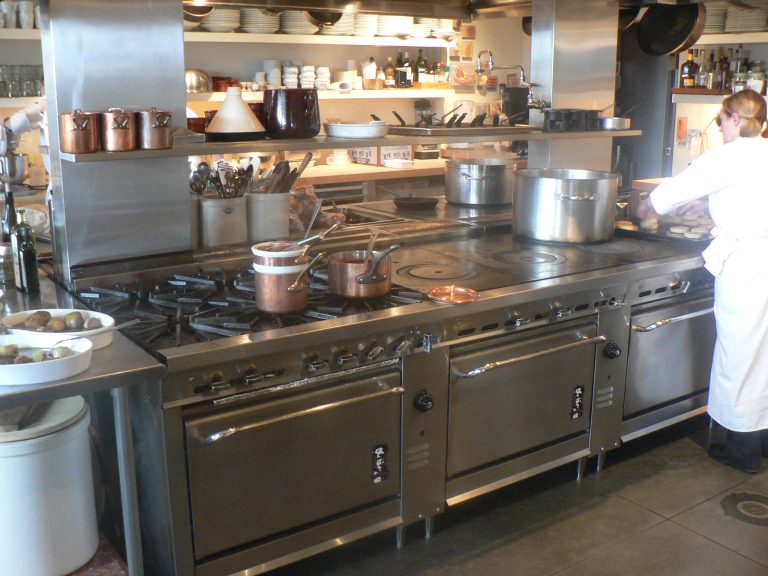
Fact: Kitchens can be loud, but the noise is mostly communication, not drama. Professional kitchens are organized into stations with defined roles, a structure that traces back to the classic kitchen brigade system. During service, the person running the pass calls out orders and timings so every station fires its part of a table’s food together. Our walkthrough of expediting at the pass follows a single ticket through that process.
Short, clear calls such as acknowledging an order or warning that you are behind someone carrying something hot are safety habits. A kitchen that relies on shouting to fix problems usually has a planning problem underneath.
Myth 5: The heat is just part of the job
Fact: Heat and hot oil are recognized hazards. The US Occupational Safety and Health Administration’s restaurant safety guidance on cooking notes that temperatures near grills can reach 105 to 110°F and warns of heat exhaustion and heat stroke. It also states that “deep fat fryers are the number one cause of burns” and that water should never be thrown on a grease fire, because it makes the fire worse. OSHA recommends breathable clothing, plenty of water, breaks from the heat, non-slip shoes and prompt cleanup of spills.
Frequently asked questions
Is it bad if my food was prepped before I ordered?
No. Advance preparation is standard practice and is how kitchens serve many guests quickly. What matters is that prepped food is stored and held at safe temperatures, which inspectors check.
Why do some cooks touch food with bare hands?
Bare hands may be used for raw ingredients that will be cooked afterward. Food codes based on the FDA model restrict bare-hand contact with ready-to-eat food, which should be handled with utensils, deli tissue or gloves.
What can I do if I see poor hygiene in a restaurant?
You can mention it to a manager, and you can contact your local health department, which handles complaints about food businesses in its area.
See the kitchen for what it is
A professional kitchen is a workplace built on preparation, routine and rules, with real risks that good managers take seriously. When you understand that, the noise and speed make more sense, and so do the questions worth asking. For more on how the back of house works, browse our In the Kitchen articles.