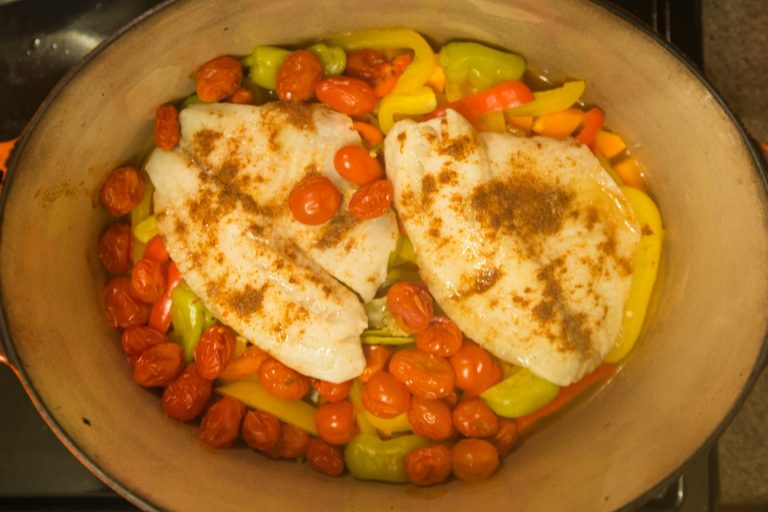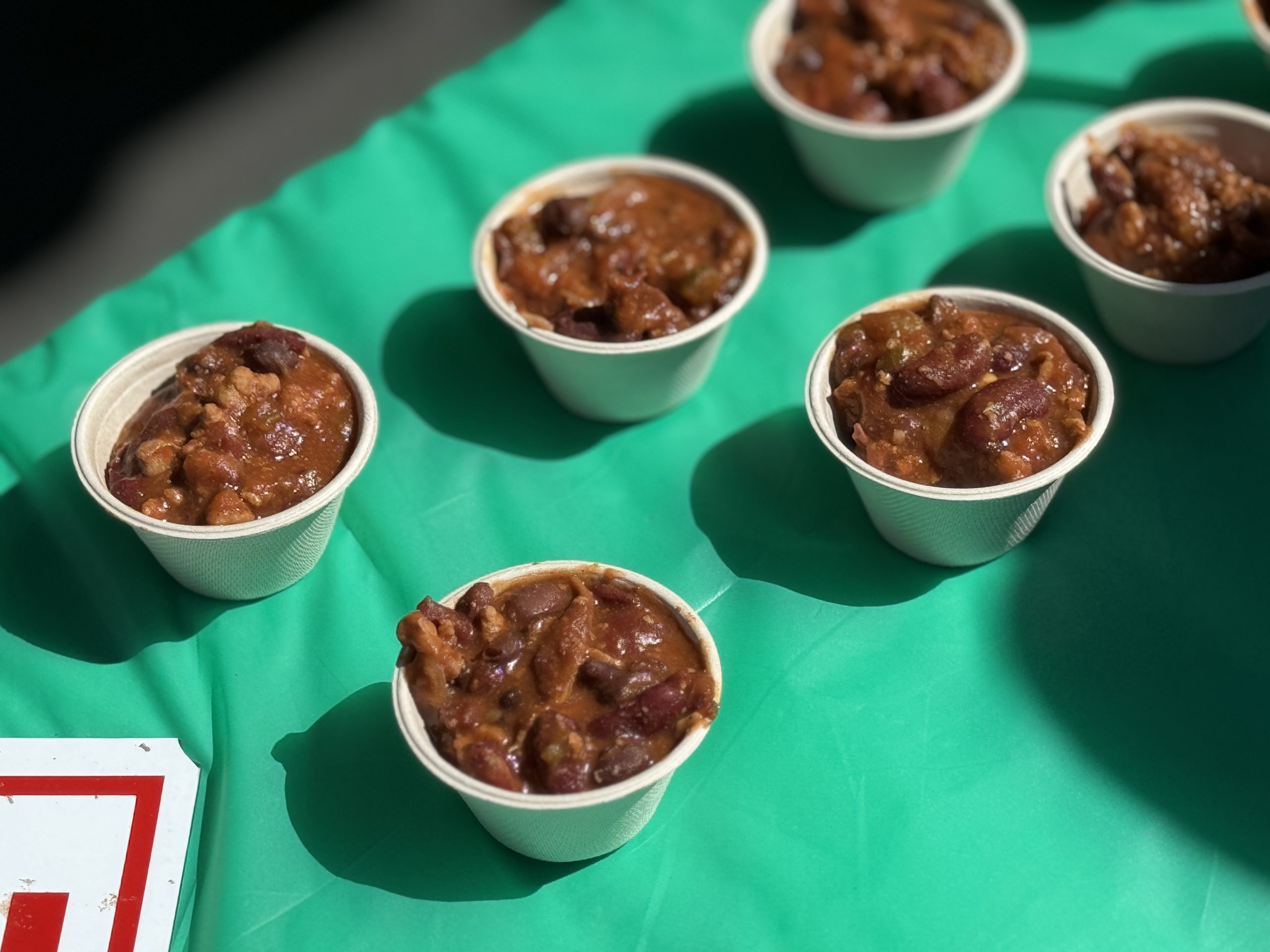
A good home cook-off is a dinner party with a scoreboard. To run one, pick a single theme everyone cooks to, agree on simple rules for portions and timing, ask every cook to list their ingredients, judge blind with a short score sheet, and keep entries hot or cold while they wait to be tasted. Get those five things right and the evening runs itself, with plenty of food, a bit of friendly rivalry and nobody arguing about the result afterward.
Key takeaways
- One clear theme makes entries comparable and judging fair.
- Ask every cook for an ingredient card that flags major allergens.
- Number the dishes and judge blind so friendships do not sway scores.
- Keep hot entries at 140°F or above and cold ones at 40°F or below.
- Discard perishable food that has sat at room temperature for more than two hours.
Step 1: Choose a theme for your home cook-off
The theme is what turns a potluck into a contest. Without one, you end up comparing a lasagna to a fruit salad, and nobody can judge that fairly. A tight theme also helps guests decide quickly what to make.
Themes that work well with friends:
- One dish, many versions. Chili, soup, mac and cheese, curry, dumplings or tacos. Everyone cooks the same dish their own way.
- Mystery ingredient. Everyone must feature one ingredient you announce a week ahead, such as squash, lemons or chickpeas.
- Family recipe night. Each cook brings a dish with a story, judged on taste and the story behind it.
- Course relay. Small teams each cook one course of the same menu, then the group votes on the best course.
Keep the guest list to a size where each entry can be tasted properly. Six to eight entries are plenty for one evening; beyond that, palates tire and judging gets sloppy.
Step 2: Write simple, fair rules
Send the rules with the invitation so nobody is surprised on the night. Treat it like the run-sheet behind a restaurant-style dinner party: clear timings make everything else easier.
- Say whether dishes are cooked at home and brought finished, or cooked on site. Bringing finished dishes is far easier in a home kitchen.
- Set an arrival time for entries, at least half an hour before tasting begins.
- Ask for a set amount, such as enough for every guest to have a small tasting portion.
- Require a typed or handwritten ingredient card with every dish.
- Agree whether shop-bought components such as pastry or stock are allowed.
- Decide in advance how ties will be broken.
If some guests are newer cooks, a short list of the prep and cleaning habits in our checklist on how to cook like a chef at home can make the day less stressful for them.

Step 3: Plan for allergies and dietary needs
Tasting many dishes means guests eat food they did not see being made, so ingredient information matters. The US Food and Drug Administration lists nine major food allergens: milk, eggs, fish, crustacean shellfish, tree nuts, peanuts, wheat, soybeans and sesame. Sesame became the ninth on January 1, 2023.
- Ask guests about allergies and dietary needs when they reply to the invitation.
- Share that list with all cooks before they plan their dishes.
- Have each ingredient card name any of the nine major allergens in the dish, including hidden ones in sauces, stocks and toppings.
- Give every dish its own serving spoon to avoid cross-contact.
- If one guest has a severe allergy, consider making the whole contest free of that allergen.
Anyone with a serious allergy should follow their own clinician’s advice; the host’s job is simply to make full information available.
Step 4: Set up blind judging and a score sheet
Blind judging keeps a home cook-off friendly. Give each entry a number when it arrives, note privately who made what, and serve tasting portions in matching cups or small plates. Restaurant critics, guides and inspection schemes all score differently, which is part of how restaurant ratings compare, but at home a simple weighted sheet works best.
| Criterion | What judges look for | Suggested weight |
|---|---|---|
| Flavor | Balanced seasoning, depth, a taste you want more of | 40% |
| Texture | Right for the dish: tender, crisp or smooth where it should be | 20% |
| Theme | How well the dish fits the brief or uses the mystery ingredient | 20% |
| Appearance | Looks appetizing in its tasting portion | 10% |
| Creativity | A distinctive idea that still works | 10% |
- Score each criterion out of 10, then apply the weights.
- Give judges water and plain bread or crackers between tastes.
- Taste in a different order for each judge if you can, so no dish always goes first.
- If everyone votes, ask cooks not to score their own entry.
Step 5: Keep every entry safe while it waits
The weakest point of any cook-off is the waiting time between arrival and tasting. The FDA’s guidance on serving safe buffets applies directly.
- Keep hot dishes at an internal temperature of 140°F or warmer, using slow cookers, chafing dishes or warming trays. Some warmers reach only 110°F to 120°F, so check the label.
- Keep cold dishes at 40°F or colder, and set them on ice if they will be out for long.
- Hold backup portions in the refrigerator or in an oven set to 200°F to 250°F.
- Put out small amounts and replace dishes rather than topping up ones that have been sitting out.
- Discard perishable food left at room temperature for more than 2 hours, or 1 hour if the room is above 90°F.
Step 6: Announce the winners and share the food
Tally the scores away from the table, then reveal who cooked each numbered dish before naming the winners. Keep prizes light: a homemade trophy, a wooden spoon, or the right to choose next time’s theme. Afterward, open the remaining food to everyone, and pack leftovers into shallow containers to refrigerate promptly.
Frequently asked questions
How many people do I need for a home cook-off?
Four to eight cooks is a comfortable range for one evening, plus any guests who only taste and vote. With more entries, tasting portions get very small and judges struggle to remember the early dishes.
Should guests cook on site or bring finished dishes?
In most homes, bringing finished dishes works better, because one kitchen cannot handle several cooks at once. On-site cooking suits small teams and quick dishes, such as a timed salad or dessert round.
How do I stop the judging from feeling personal?
Number the entries, serve them in identical cups and only reveal who cooked what after scores are counted. A written score sheet with set criteria also keeps the conversation on the food rather than the cook.
Send the invitation this week
Pick a theme, choose a date about three weeks out, and send the rules, the allergen request and the arrival time in one message. That gives everyone time to test a recipe or two. For more ideas on games, contests and food-themed evenings, browse our Leisure & Games section.