Cooked leftovers are good for 3 to 4 days in the refrigerator, according to the USDA, as long as they were refrigerated within 2 hours of cooking and the fridge stays at 40°F or below. Frozen, they keep their best quality for 3 to 4 months and stay safe longer. When you eat them, reheat to 165°F, and bring sauces, soups and gravy to a rolling boil.
Key facts
- Refrigerate leftovers within 2 hours, or within 1 hour if the room or outdoors is above 90°F.
- Refrigerated leftovers last 3 to 4 days; keep the fridge at 40°F or colder.
- Frozen leftovers keep best quality for 3 to 4 months; after that they are still safe but drier and less flavorful.
- Reheat to 165°F measured with a food thermometer; boil sauces, soups and gravies.
- Shallow containers and smaller pieces help hot food cool quickly and safely.
How long are leftovers good for in the fridge?
Three to four days. The USDA Food Safety and Inspection Service’s guide to leftovers and food safety gives that window for refrigerated leftovers, and it applies to the turkey, stuffing and casseroles after a holiday meal as much as to Tuesday’s pasta. Count from the day the food was cooked, not the day you put it away, and if you are unsure how old something is, throw it out.
The window assumes the clock started correctly. Perishable food left at room temperature for more than 2 hours should be discarded, and that drops to 1 hour when it is above 90°F, such as at a picnic or in a hot car. A buffet that sat out all afternoon does not get 3 to 4 more days in the fridge.
| Step | USDA guidance |
|---|---|
| Get it cold | Within 2 hours of cooking (1 hour above 90°F) |
| Fridge temperature | 40°F or below |
| Fridge storage | 3 to 4 days |
| Freezer storage | 3 to 4 months for best quality |
| Reheating | 165°F; sauces, soups and gravies to a rolling boil |
How should you cool and store leftovers?
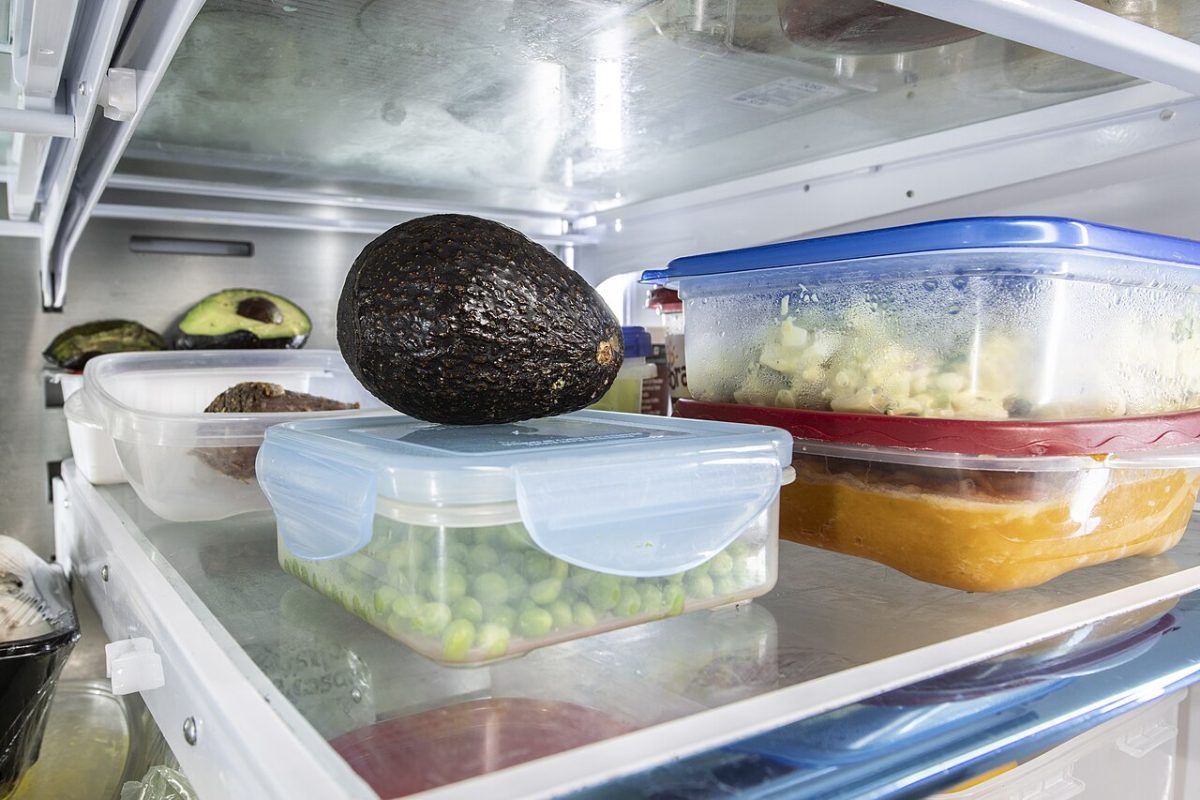
Speed matters more than the container. A deep pot of chili or a whole roast cools slowly in the middle, which gives bacteria time to grow. The FSIS advice is to divide large amounts into shallow containers and cut large items into smaller portions: slice roasts and hams, carve the turkey breast off the bone, and leave legs and wings whole. It is fine to put warm food straight into the refrigerator.
- Use shallow, covered containers and leave space around them so cold air can circulate.
- Label containers with the date, so the 3-to-4-day window is not a guess.
- Keep a fridge thermometer and check that it reads 40°F or below.
- Freeze what you will not eat in time, in portions you can reheat in one go.
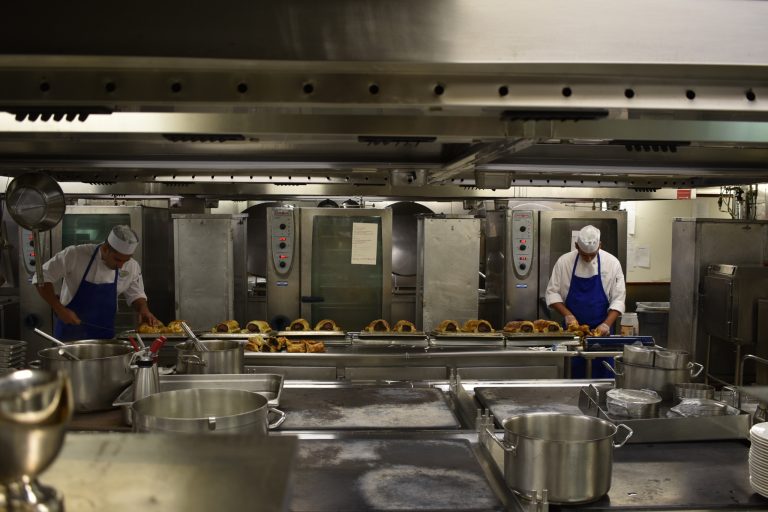
Restaurant kitchens follow the same logic with stricter tools, using cooling logs, ice baths and walk-in coolers. Our checklist on walk-in coolers and kitchen storage rules shows how professionals keep track.
Can you tell if leftovers are bad by smelling them?
Not reliably. Bacteria that cause food poisoning usually do not change how food looks, smells or tastes, while the bacteria that make food smell off are often not the ones that make you sick. A container that smells fine on day six is still past the USDA window. Go by the date, not your nose: when in doubt, throw it out.
How do you reheat leftovers safely?
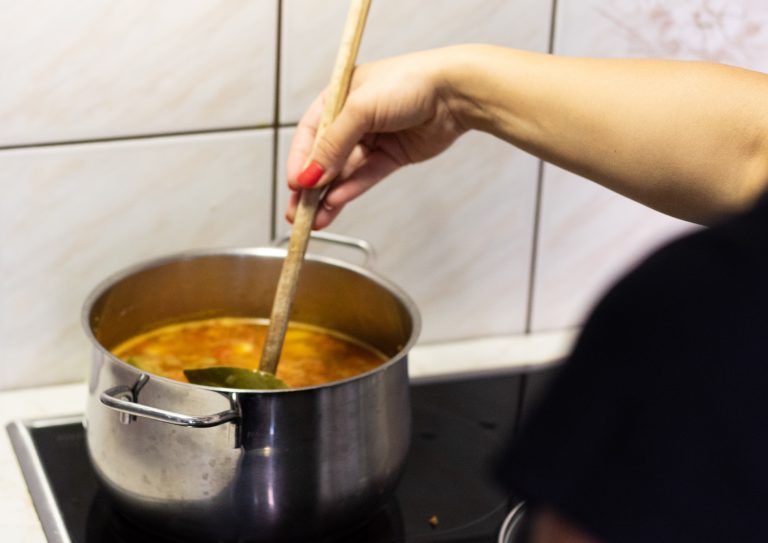
Heat leftovers to 165°F, checked with a food thermometer in the thickest part. Bring sauces, soups and gravies to a rolling boil. In a microwave, cover the dish, vent the lid or wrap, stir or rotate partway through and add a little liquid if needed, because microwaves leave cold spots. Let the food stand briefly, then check the temperature in a few places.
Frozen soups, stews and casseroles can go straight into a saucepan, oven or microwave without thawing first. If you do thaw, the refrigerator is slowest but safest, and food thawed there can be refrozen without cooking. Food thawed in cold water or the microwave should be cooked before it is refrozen.
What about Thanksgiving leftovers?
The same rules apply, but the big meal makes them easy to break. Food tends to sit on the table through a long afternoon, so set a timer for 2 hours after serving and put things away even if people are still grazing. The FDA’s holiday food safety tips point out that this includes pumpkin pie. Carve the remaining turkey off the frame before refrigerating, and plan the week: if Monday’s sandwiches will be the last turkey you eat, freeze the rest on Sunday. If you are planning the meal itself, our walkthrough on hosting a restaurant-style dinner party covers timing courses so less food sits out.
Are restaurant leftovers different?
Only in that the clock started at the restaurant. If you take food home, the 2-hour limit includes the time it sat on the table and the drive home, so go straight home or ask for the box at the end of the meal rather than the start of the evening out. Once refrigerated, takeout and doggy-bag food follows the same 3-to-4-day rule.
Frequently asked questions
Is it safe to eat leftovers after 5 days?
The USDA window for refrigerated leftovers is 3 to 4 days. Past that, the safe choice is to throw them out, even if they look and smell fine.
Can I put hot food straight in the fridge?
Yes. Divide large amounts into shallow containers first so they cool quickly, and leave space around them so air can circulate.
How many times can I reheat leftovers?
The USDA says food reheated to 165°F can be refrozen, but quality drops each time. Reheat only the portion you will eat, and keep the rest cold.
Does freezing kill bacteria?
No. Freezing stops bacteria from growing, but they become active again as the food thaws. That is why frozen leftovers still need to be reheated to 165°F.
How long can leftovers sit out before going in the fridge?
No more than 2 hours, or 1 hour if it is above 90°F. After that, the USDA advises throwing perishable food away.
The short version
Fridge within 2 hours, eat within 3 to 4 days, freeze for up to 3 to 4 months, and reheat to 165°F. Date your containers and trust the calendar over your nose. For more kitchen habits worth borrowing from professionals, read our checklist on how to cook like a chef at home or browse more Lifestyle guides.
Featured photo: Food Safety – Cut Waste in Refrigerators by USDA, public domain.