If you have ever wondered what health inspectors look for when they walk into a restaurant unannounced, the short answer is the things most likely to make someone sick. They check whether food is held at safe temperatures, whether staff wash their hands and keep bare hands off ready-to-eat food, whether sick workers are kept away from the line, whether food comes from approved sources, and whether the building is clean and free of pests. Most inspectors work from a standard form built on the same federal model code, so the list is more predictable than many diners expect.
Key takeaways
- Inspections usually follow a numbered form, and the items that can cause illness carry the most weight.
- Temperatures come first: cold food at 41°F or below, hot food at 135°F or above, and strict limits on cooling.
- Handwashing sinks, glove use and staff health count as much as clean floors, often more.
- Serious problems must be fixed fast, and an imminent health hazard can close a kitchen on the spot.
How an inspection is structured
In the United States, the FDA Food Code is a model set of rules for food safety at restaurants and retail stores. The FDA offers it to local, state and federal agencies to adopt into their own rules, which is why rules look similar from one county to the next even though each health department runs its own program. The 2022 edition is the tenth. For a fuller tour of how that model turns into local rules, see our walkthrough of the FDA Food Code.
Visits are generally unannounced. One Missouri county health department, for example, says it inspects food establishments at least twice a year, on a rotating schedule, with surprise visits and results posted online. Frequency differs between jurisdictions, so check your own health department’s page.
Many forms sort items into tiers. The Texas state form, the 47-item inspection report, is a clear example:
| Tier | Points per item on the Texas form | Time to correct | Typical examples |
|---|---|---|---|
| Priority | 3 | Within 3 days | Holding temperatures, handwashing, bare-hand contact, sick employees |
| Priority foundation | 2 | Within 10 days | Certified food manager, thermometers, date marking, a supplied handwashing sink |
| Core | 1 | Within 90 days or by the next inspection | Pests, wiping cloths, garbage, lighting, general cleaning |
Temperatures: what health inspectors look for first
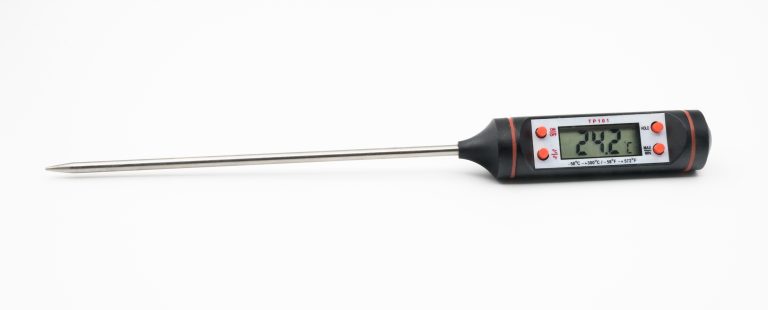
Temperature control is the first thing most inspectors test, usually with their own probe thermometer.
- Cold food held at 41°F or below (the Texas form also lists 45°F for certain existing equipment).
- Hot food held at 135°F or above.
- Cooked food cooled from 135°F to 70°F within 2 hours, and to 41°F within 6 hours in total.
- Food reheated for hot holding to 165°F within 2 hours.
- Food cooked to the required internal temperature.
- Deliveries received at the proper temperature.
- Thermometers on hand, accurate and calibrated, with sanitizer test strips nearby.
- Dishwashing water hot enough, or sanitizer at the right strength.
A county inspection page lists the same core checks in plain words: cooking temperatures, hot and cold holding temperatures, refrigeration temperatures and dishwashing water temperature. The prep work behind safe holding is covered in our guide to how professional kitchens get ready.

Checklist: hands, health and people
The second big group is about the people handling food.
- Handwashing sinks accessible, stocked with soap and paper towels, and actually used. A sink blocked by stacked pans is not accessible.
- No bare-hand contact with ready-to-eat food, and gloves used properly.
- Staff with certain symptoms restricted or kept out of work, and no one working with discharge from the eyes, nose or mouth.
- A person in charge on site who knows the rules, plus a certified food manager where the state requires one.
- No unauthorized people in the kitchen.
- Personal cleanliness, hair restraints, and no eating, drinking or tobacco use in prep areas.
Checklist: food sources, storage and labels
Inspectors also follow the food itself, from the delivery door to the plate.
- Food and ice from an approved source and in good condition.
- Food protected from contamination during prep, storage, display and tasting.
- Date marking on stored food, and food discarded when its date is up.
- Packaged food labeled, and bulk ingredients kept in labeled containers.
- Nothing stored on the floor.
- Approved thawing methods.
- Cleaning chemicals labeled and stored away from food.
- A consumer advisory on the menu for raw or undercooked items, and allergen labels where required.
- Food that comes back from a table handled correctly and not re-served.
Checklist: the building and the paperwork
The final group covers the premises.
- No evidence of insects, rodents or other animals.
- Wiping cloths kept in sanitizer between uses.
- Food-contact surfaces cleaned and sanitized, and equipment in good repair.
- Garbage removed and stored properly.
- Adequate ventilation and lighting.
- Clean, supplied restrooms.
- Safe water, working plumbing with backflow protection, and approved sewage disposal.
- A current, valid permit and any required records on hand.
What happens after the visit
Priority violations, such as improper holding temperatures, bare-hand contact with ready-to-eat food or evidence of rodents, should be corrected as soon as possible, and a follow-up visit may be scheduled. If a severe health hazard exists, the inspector can close the establishment immediately. Core items, such as dirty floors or missing hair restraints, are usually expected to be fixed by the next routine visit. Many cities then turn the results into a public score or letter grade, which we explain in our guide to restaurant inspection grades.
Frequently asked questions
Do restaurants know when an inspector is coming?
Usually not. Routine inspections are typically unannounced, so the inspector sees normal working conditions rather than a kitchen cleaned up for the occasion. Exact practice varies by health department, so check your local agency’s page if you want the details for your area.
Which violations are treated most seriously?
Items directly linked to foodborne illness: food held at unsafe temperatures, poor handwashing, bare-hand contact with ready-to-eat food, sick employees working and signs of pests. These are the priority items that carry the most weight and the shortest deadlines.
Can I read inspection reports for a restaurant near me?
In many places, yes. Plenty of state and local health departments publish inspection results online. Search for your city or county health department’s food inspection page to see what is available where you live.
Use the checklist the next time you eat out
You cannot walk into a kitchen, but you can notice clues from the dining room: a handwashing sink that staff actually use, cold items that feel cold, hot food that arrives hot, and a posted permit or grade where your area requires one. If you want more on how the rules behind those clues are written and enforced, browse our Menus & Standards guides.