A restaurant-style dinner party is less about fancy food than about borrowing how professional kitchens work: a short menu, everything prepped before guests arrive, a written timeline and a clear spot where plates are finished and sent out. Say you are hosting eight friends on a Saturday evening and want three courses that arrive on time while you still get to sit down. The walkthrough below follows that evening from planning to dessert, using the same habits restaurant cooks rely on, along with the food safety guidance federal agencies give home hosts.
Key takeaways
- Choose a short menu where most of the work can be done ahead.
- Write a prep list and a timed run sheet, then work backward from serving time.
- Set up a plating station so every course leaves the kitchen together.
- Use a food thermometer and keep hot food hot and cold food cold.
- Ask about allergies and dietary needs when you invite people, not at the table.
Step 1: Design a restaurant-style dinner party menu you can execute
Restaurants build menus around what their kitchen can produce well during a busy service. Our guide to how restaurants design a menu explains the thinking. At home, apply the same discipline. For eight guests, pick:
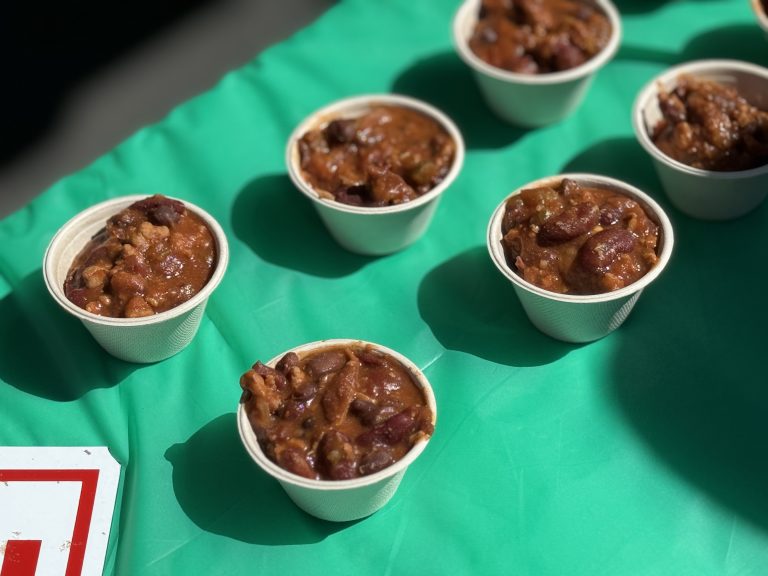
- A cold starter you can plate ahead, such as a composed salad or a chilled soup.
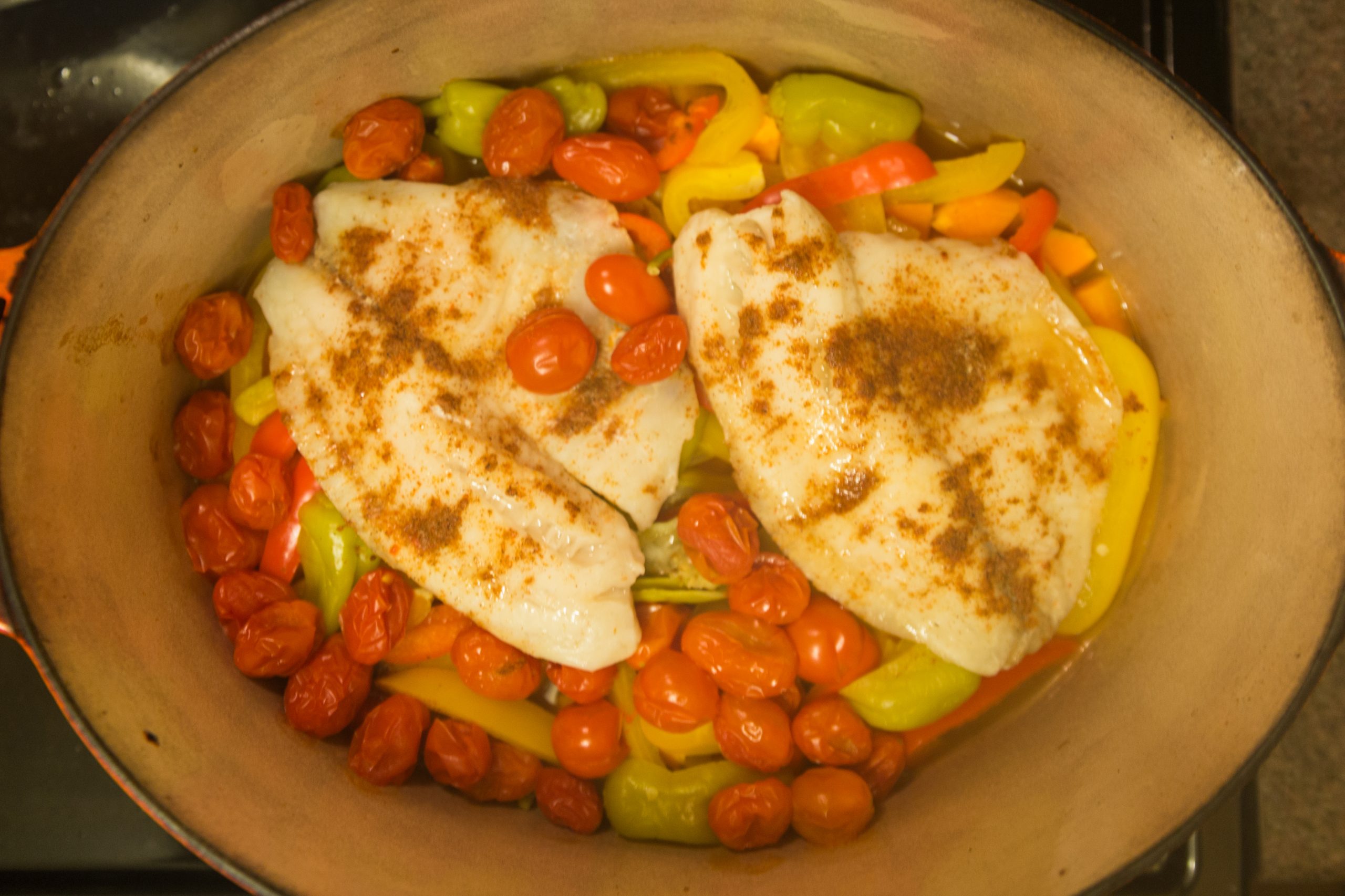
- A main that finishes in the oven, like a tray of fish baked over vegetables, so you are not standing over a pan.
- A dessert made the day before.
Avoid three dishes that all need the stove at the last minute. When you send invitations, ask about allergies and dietary needs. The US Food and Drug Administration lists nine major food allergens: milk, eggs, fish, crustacean shellfish, tree nuts, peanuts, wheat, soybeans and sesame. If a guest has one, plan a dish that avoids it entirely rather than an awkward substitute on the night.
Step 2: Write a prep list and a run sheet
Professional cooks start each service with a prep list and their station set up, a practice known as mise en place, described in our guide to how professional kitchens get ready. Make two lists for your evening:
- Prep list: every task, grouped by when it can be done. Dessert and dressings the day before; washing and chopping in the morning; sauces in the afternoon.
- Run sheet: a timeline for the evening itself, working backward from when you want to serve each course.
Here is how the Saturday run sheet might look for a 7:30 p.m. sit-down:
| Time | Task |
|---|---|
| Day before | Make dessert, prepare dressings, set the table |
| 2:00 p.m. | Wash and chop vegetables, portion the fish, chill drinks |
| 5:30 p.m. | Plate cold starters and refrigerate them |
| 6:45 p.m. | Preheat the oven, set up the plating station |
| 7:00 p.m. | Guests arrive; offer drinks and a simple snack |
| 7:30 p.m. | Serve starters; main goes into the oven |
| 8:15 p.m. | Check temperature, plate and serve the main |
| 9:00 p.m. | Plate and serve dessert |
Step 3: Set the table and the plating station
Lay the table the day before so it is one less job later. Then set up a pass: a cleared stretch of counter near the oven with warm plates, garnishes in small bowls, a clean towel for wiping rims, serving spoons and your thermometer. In restaurants, one person at the pass checks every plate before it leaves, a role explained in our walkthrough of expediting at the pass. At home, that person is you, or a friend you trust with a spoon.

Step 4: Cook to temperature, not to the clock
Recipes give times, but ovens differ. Restaurants rely on thermometers, and so should you. FoodSafety.gov’s safe minimum internal temperatures chart lists 145°F for whole cuts of beef, pork, lamb and veal with a three-minute rest, 160°F for ground meats and egg dishes, 165°F for poultry, casseroles and leftovers, and 145°F for fish, or until the flesh is no longer translucent and separates easily with a fork.
Back to the Saturday: the fish goes in as the starters go out. When you clear the starter plates, check the thickest fillet. If it reads 145°F, it is ready to plate.
Step 5: Serve every course together
Plate the main in a line: base, protein, sauce, garnish, wipe the rim. Work quickly so the first plate is not cold by the time the eighth is ready, then carry them out two at a time or enlist a guest. Serving everyone at once is the single habit that makes a home dinner feel like a restaurant.
Step 6: Keep food safe while you linger
Dinner parties often stretch long after the main course. The FDA’s advice on serving food safely at parties and buffets says to keep hot food at 140°F or warmer and cold food at 40°F or colder, and to discard perishable food left at room temperature for more than two hours, or one hour if the temperature is above 90°F. For a long evening, refrigerate leftovers once everyone has had seconds, and reheat sauces, soups and gravy to a boil.
Frequently asked questions
How many courses should a home dinner party have?
Three is a manageable number for one cook: a starter, a main and a dessert. More courses mean more plates, more washing up and more time away from your guests.
Can I make the main course ahead?
Often, yes. Braises, casseroles and baked dishes reheat well. Cool them quickly, refrigerate, and reheat to 165°F, the safe temperature for leftovers and casseroles.
What is the most useful tool for hosting like a restaurant?
A reliable food thermometer. It takes the guessing out of cooking meat and fish and tells you when reheated dishes are safe to serve.
Plan your own evening
Pick a date, choose a menu with mostly make-ahead dishes, and write your prep list and run sheet tonight. A restaurant-style dinner party comes down to preparation, timing and a calm plating station, and once you have done it once, you will reuse the same plan again and again. For more ideas for evenings in, browse our Leisure & Games section.