Restaurant ventilation comes down to one question: what is the cooking giving off? Fryers, grills and charbroilers throw grease-laden smoke, so they sit under a Type I hood with grease filters, a fire-suppression system and a dedicated duct. Steamers, pastry ovens and similar equipment give off mostly heat, steam and odor, so a lighter Type II hood can do the job. Around both, the building has to bring in replacement air, and the whole system has to be cleaned and inspected on a schedule set by how much cooking happens.
Key takeaways
- Type I hoods handle grease and smoke; Type II hoods handle steam, heat and odor.
- Hood style matters too: wall canopy, island canopy, backshelf and eyebrow hoods each need different exhaust rates.
- Every cubic foot of air pulled out has to be replaced by makeup air, often tied to the exhaust fan.
- Grease hoods come with a fire-suppression system, a Class K extinguisher and a cleaning schedule based on cooking volume.
Type I vs Type II: the main restaurant ventilation split
Building codes sort kitchen hoods by what they remove. Seattle’s commercial kitchen hood worksheet is a clear local example of how the two types are defined and labeled.
| Feature | Type I hood | Type II hood |
|---|---|---|
| What it removes | Grease and smoke | Steam, vapor, heat or odor |
| Typical appliances listed | Deep fryers, charbroilers, grills, larger roasting ovens, all solid-fuel appliances | Steamers, pastry ovens, pizza ovens |
| Grease filters | Yes, set at an angle with a drip tray and gutter | Not the main purpose |
| Exhaust outlet height above the roof (Seattle figures) | 40 inches | 30 inches |
| Distance from windows and doors (Seattle figures) | 10 feet | 3 feet |
| Fire suppression | Required where grease-producing cooking happens | Generally not, unless the cooking produces grease |
Each hood must carry a permanent label saying which type it is, so an inspector can check it against the equipment underneath. The difference matters when a kitchen changes its menu. A pizza oven that once sat happily under a Type II hood may need different treatment if the kitchen starts frying under it, which is one reason the menu and the building are more tied together than diners might guess. Our guide to how restaurant kitchen stations are laid out shows how equipment is grouped along the line.
Hood styles compared
Within each type, the shape and position of the hood changes how much air it needs to move. Seattle’s worksheet lists exhaust rates per foot of hood front, by how hard the appliances work, from light duty to extra heavy.
| Hood style | Where it sits | What the rates show |
|---|---|---|
| Wall-mounted canopy | Against a wall, over a line of equipment | The most common setup and the lowest rate for light-duty cooking |
| Single island canopy | Over equipment in the middle of the room, open on all sides | Needs the highest exhaust rate at every duty level |
| Double island canopy | Over back-to-back lines in the middle of the room | Rates closer to a wall canopy |
| Backshelf or pass-over | Low, close to the cooking surface | Not allowed over extra-heavy-duty appliances |
| Eyebrow | Over oven doors | Only allowed for light and medium duty |
A few geometry rules come with these styles. A canopy hood has to extend at least 6 inches beyond the cooking surface, and the edge of a canopy hood can sit no more than 4 feet above it. Where several appliances share one hood, the highest required rate applies to the whole hood.
Makeup air: the half of ventilation nobody sees
A hood that pulls air out of a kitchen has to get it back from somewhere. Seattle’s worksheet requires makeup air of at least 90 percent of the exhaust, interlocked so it runs whenever the exhaust runs, and it does not allow windows and doors to serve as the supply. Larger systems, over 2,000 cubic feet per minute, also need an energy-saving measure such as demand-controlled ventilation or heat recovery.
The point of the interlock is that the two halves never run out of step. The worksheet also caps the temperature difference for large makeup air supplies at 10°F (about 6°C) from the room, which keeps the incoming air close to room temperature.
Fire suppression and cleaning schedules
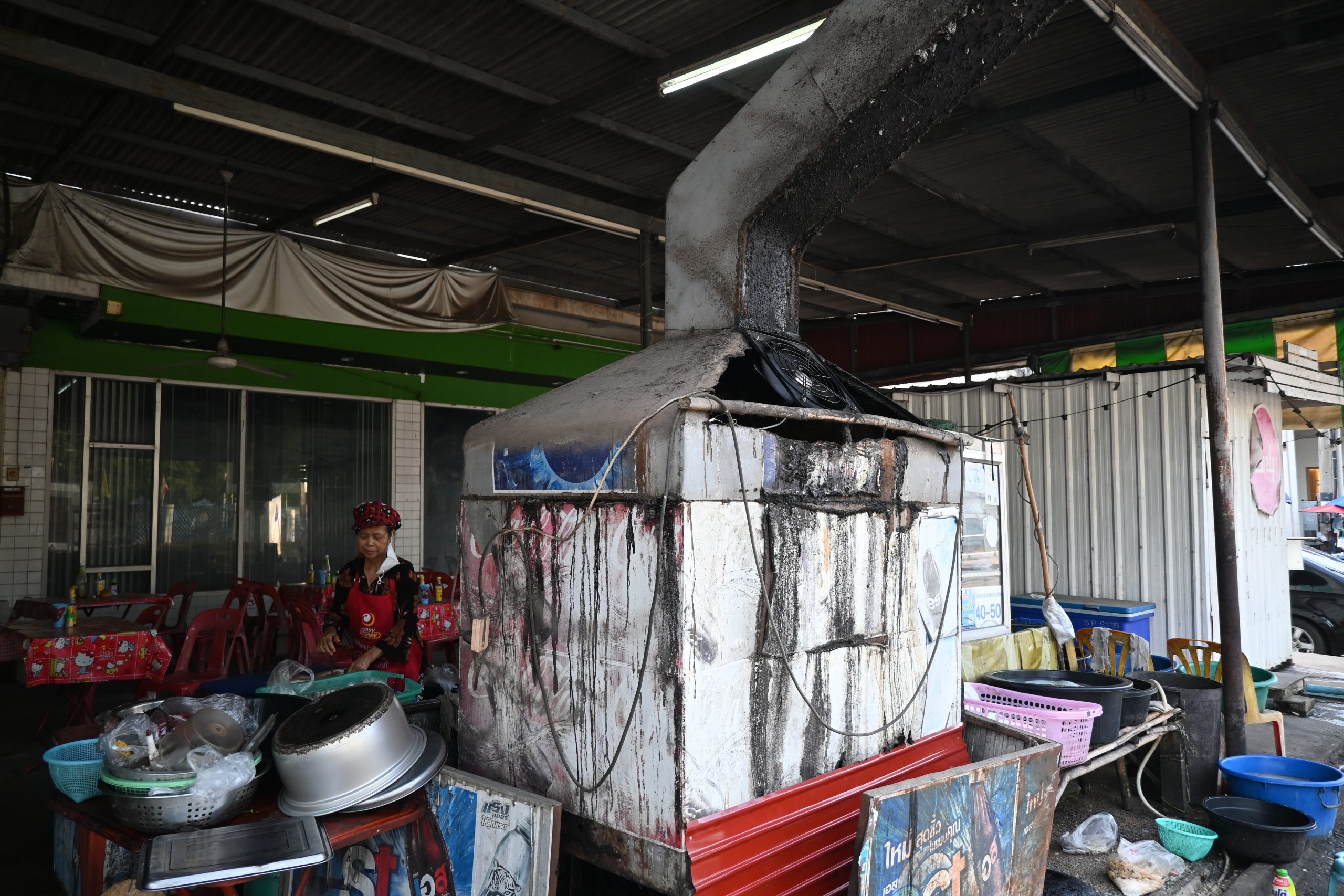
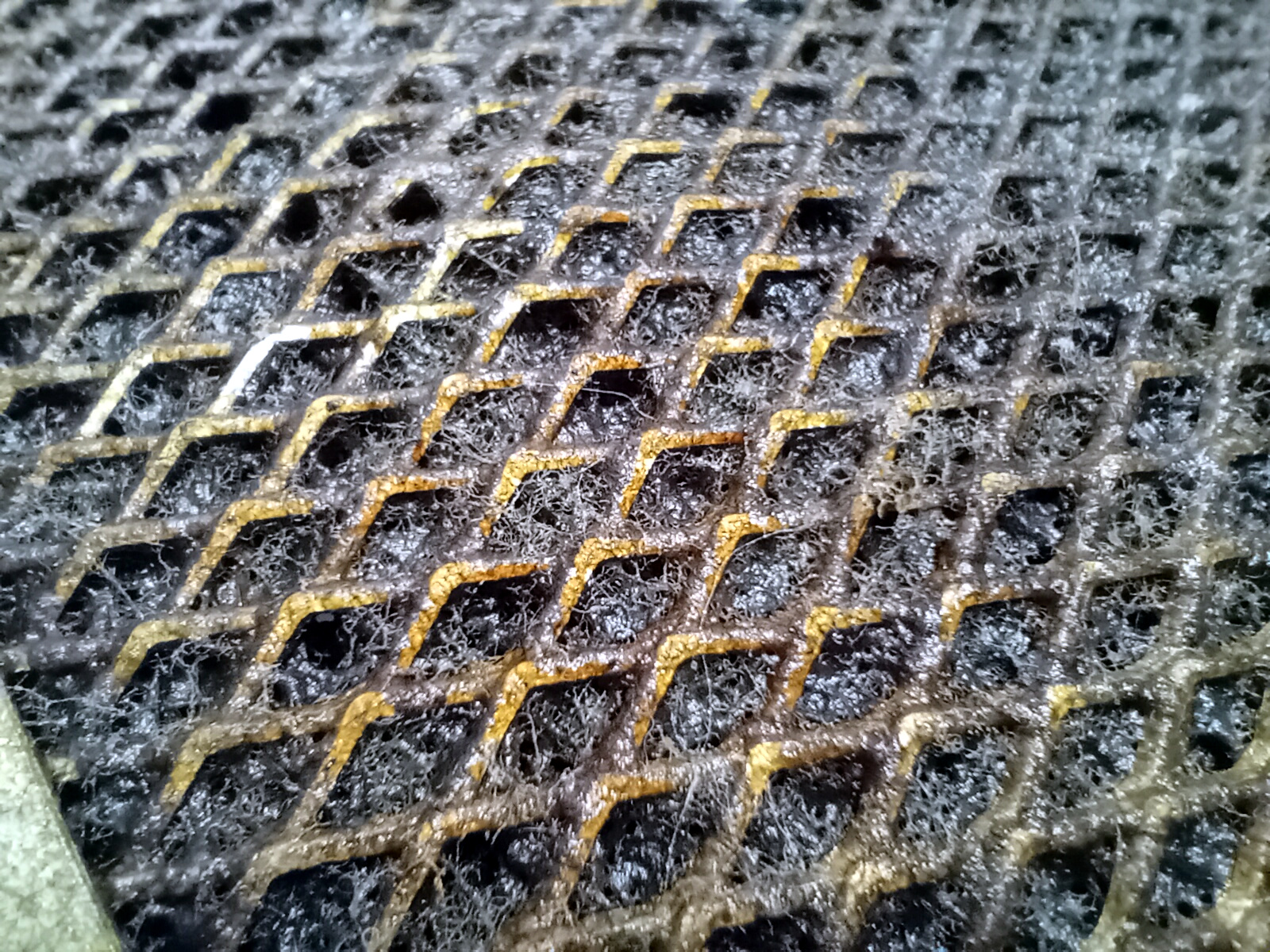
Grease hoods are a fire risk because grease builds up in filters and ducts. The Kansas State Fire Marshal’s fact sheet on hood suppression systems sets out the basics: cooking that produces smoke or grease-laden vapors needs a hood and fire-extinguishing equipment, a Class K extinguisher must be provided, the manual pull station must be clearly marked and on the way out, and the system must be serviced by a certified firm at least every six months.
The ducts themselves are cleaned on a schedule that depends on the cooking. Utah’s State Fire Marshal publishes the same frequency table in its restaurant and commercial kitchen guidelines:
| Type of cooking | Exhaust system cleaning |
|---|---|
| Solid fuel, such as wood or charcoal | Monthly |
| High volume, such as 24-hour cooking, charbroiling or wok cooking | Quarterly |
| Moderate volume | Twice a year |
| Low volume, such as churches, day camps and seasonal businesses | Once a year |
Utah’s guidelines set the standard as “bare metal clean,” and they expect the exhaust fan to run whenever cooking equipment is on, with every filter in place and no gaps between them. After a cleaning, a label on the hood should record who did the work and when. Inspectors read these labels, much as they read the date stickers we describe in our walk-in cooler checklist.
Frequently asked questions
Why does the hood run even when nothing is on the grill?
Because the rules require it whenever cooking equipment is on, and a hot flat-top or fryer counts even when nothing is on it. Utah’s guidelines say the fan must run whenever cooking equipment is operating, and Seattle’s worksheet ties makeup air to the same exhaust.
Who checks restaurant hoods?
Usually more than one office. A building department reviews the hood and duct design before a kitchen opens, and Seattle’s worksheet asks for a performance test certificate before final approval. Fire officials then check suppression systems and cleaning records, separate from the food safety rules covered in our walkthrough of the FDA Food Code.
Does every restaurant need a grease hood?
No. The Kansas fact sheet says the deciding factor is actual use: equipment such as fryers, griddles and broilers needs one, while places that only warm pre-cooked food or bake may not. A kitchen without one has to keep a written policy on what it can cook.
What to look for next time you sit near the kitchen
From an open kitchen counter you can see most of this: the hood type and its label, the angled filters, the pull station near the exit and the cleaning sticker on the hood. Good restaurant ventilation is quiet and easy to ignore, which is the point. For more on the codes and checks that shape how restaurants run, browse our Menus & Standards guides.